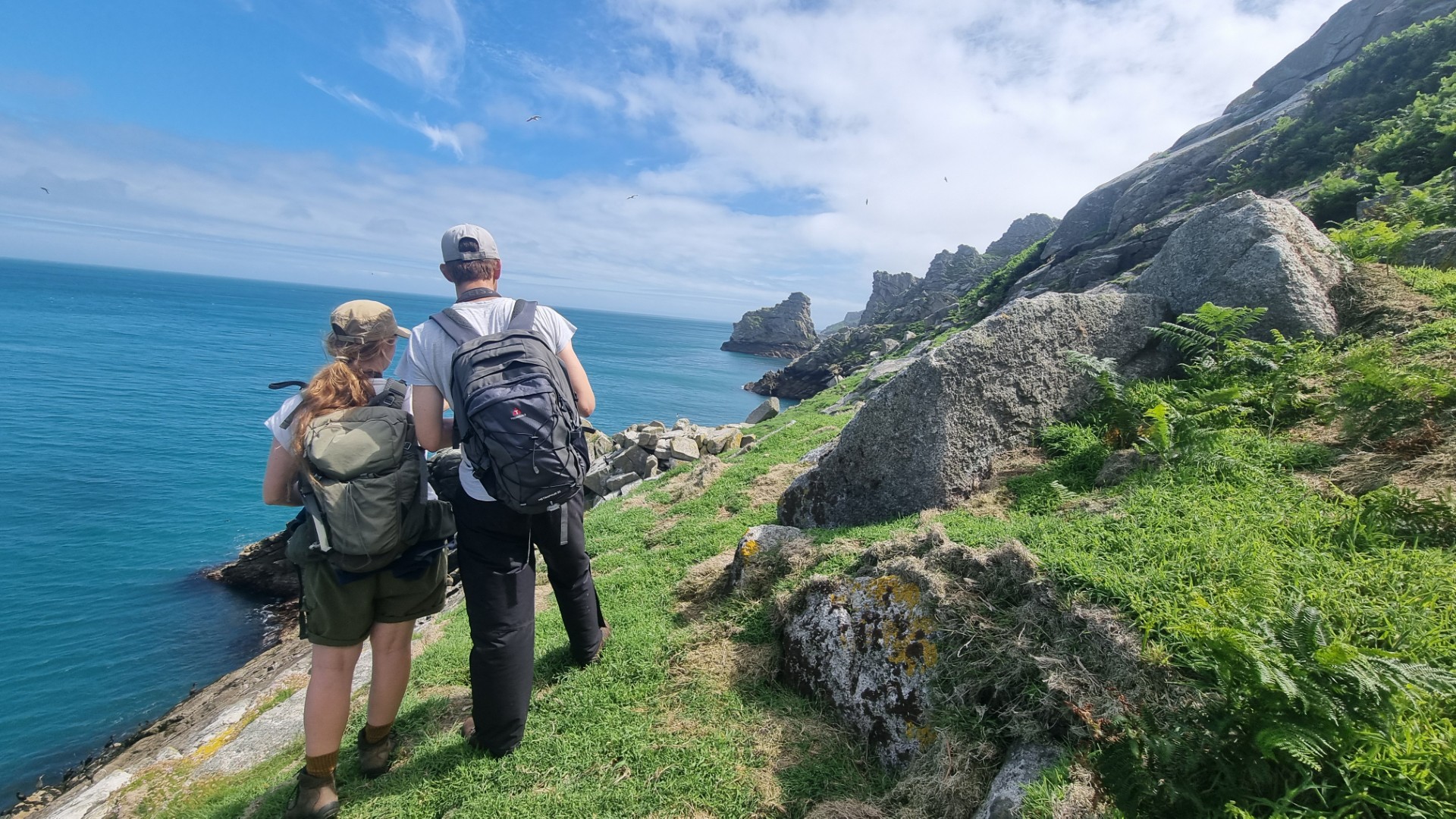
This summer, I was lucky enough to visit the Lundy Bird Observatory for some fieldwork as part of a BTO (Birds Science People) grant. It is a special place for me as I was their seabird assistant warden last season and started my bird ringing training there so it was an absolute joy for me to return this year.
Birds, birds, birds!
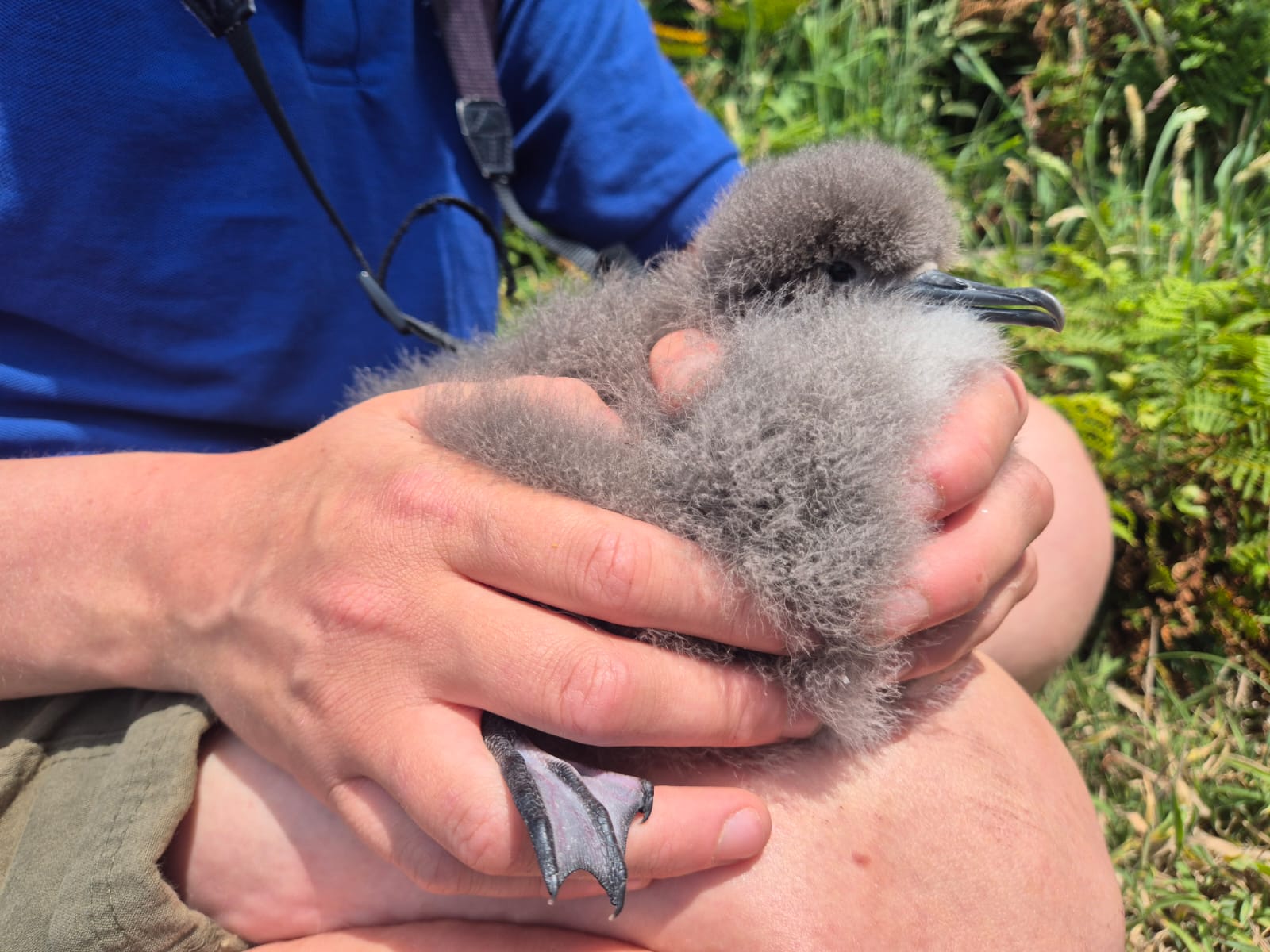
Lundy has a whole range of birds, especially seabirds, which I was thrilled to see again. My first stop had to be the Manx shearwater colony to practice more ringing, as well as check the nestboxes for eggs and chicks with the bird observatory volunteers. I was camping during my trip so I also enjoyed listening to manxies every night.
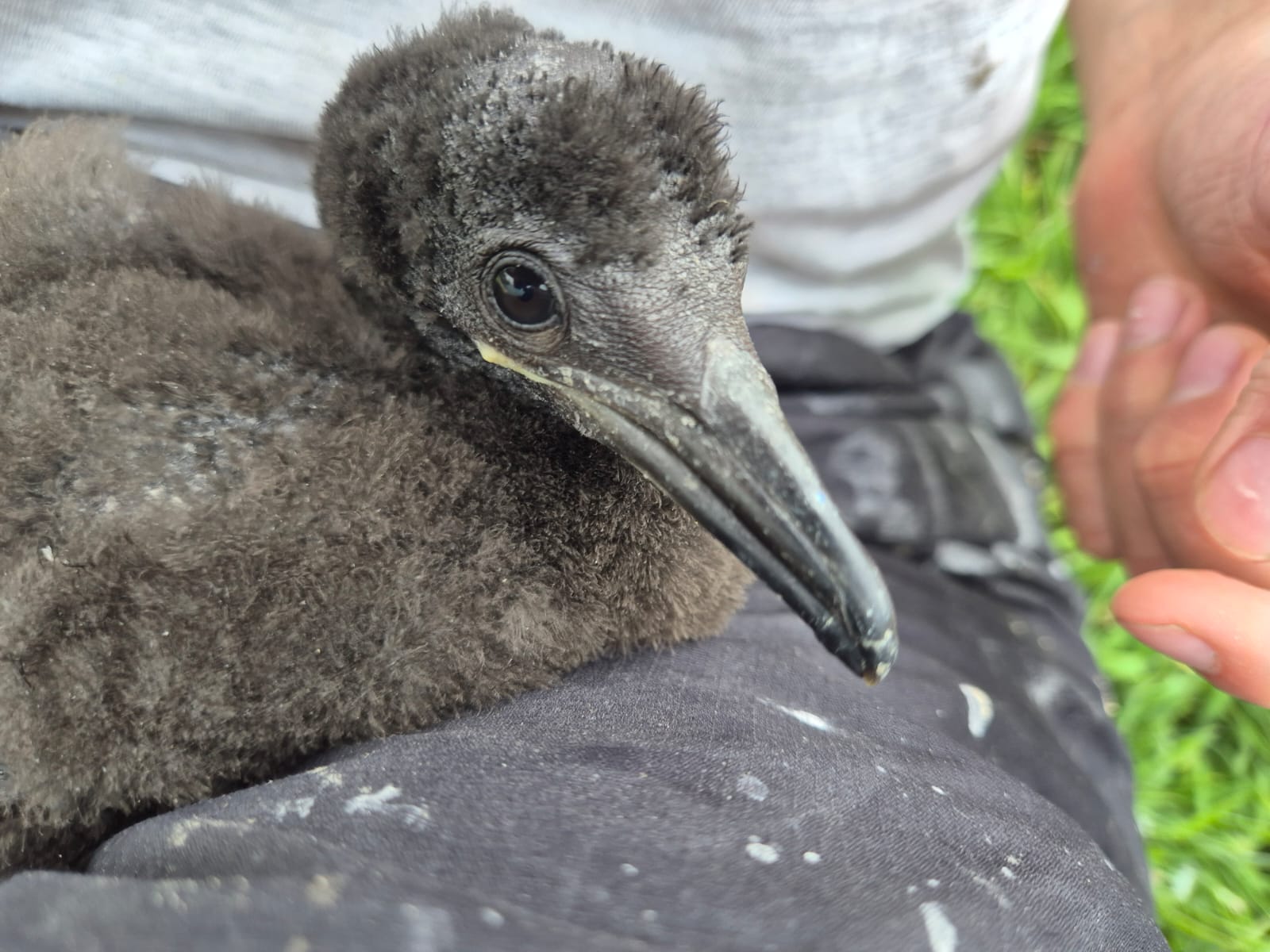
After my first few days, I was lucky enough to help the team ring some shag young, a new species for me, and helped in breaking the record for the number of shags ringed on the island! This has to be the highlight of my whole trip.
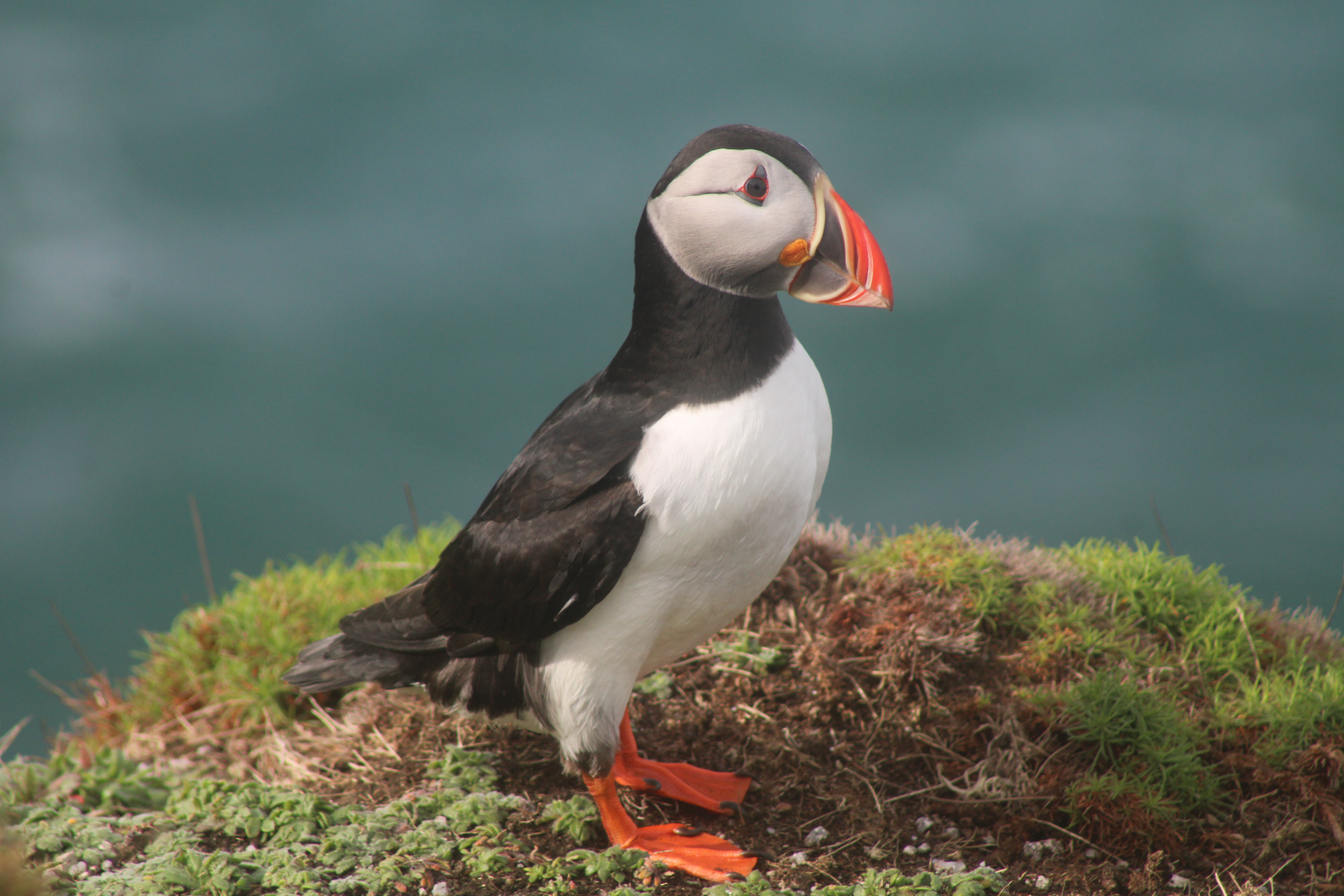
Being on Lundy, I of course had to spend time watching the puffins, with many returning to their burrows with sand eels! I also finally had time to explore the island at my own pace, do lots of bird watching and photography.
Marine life
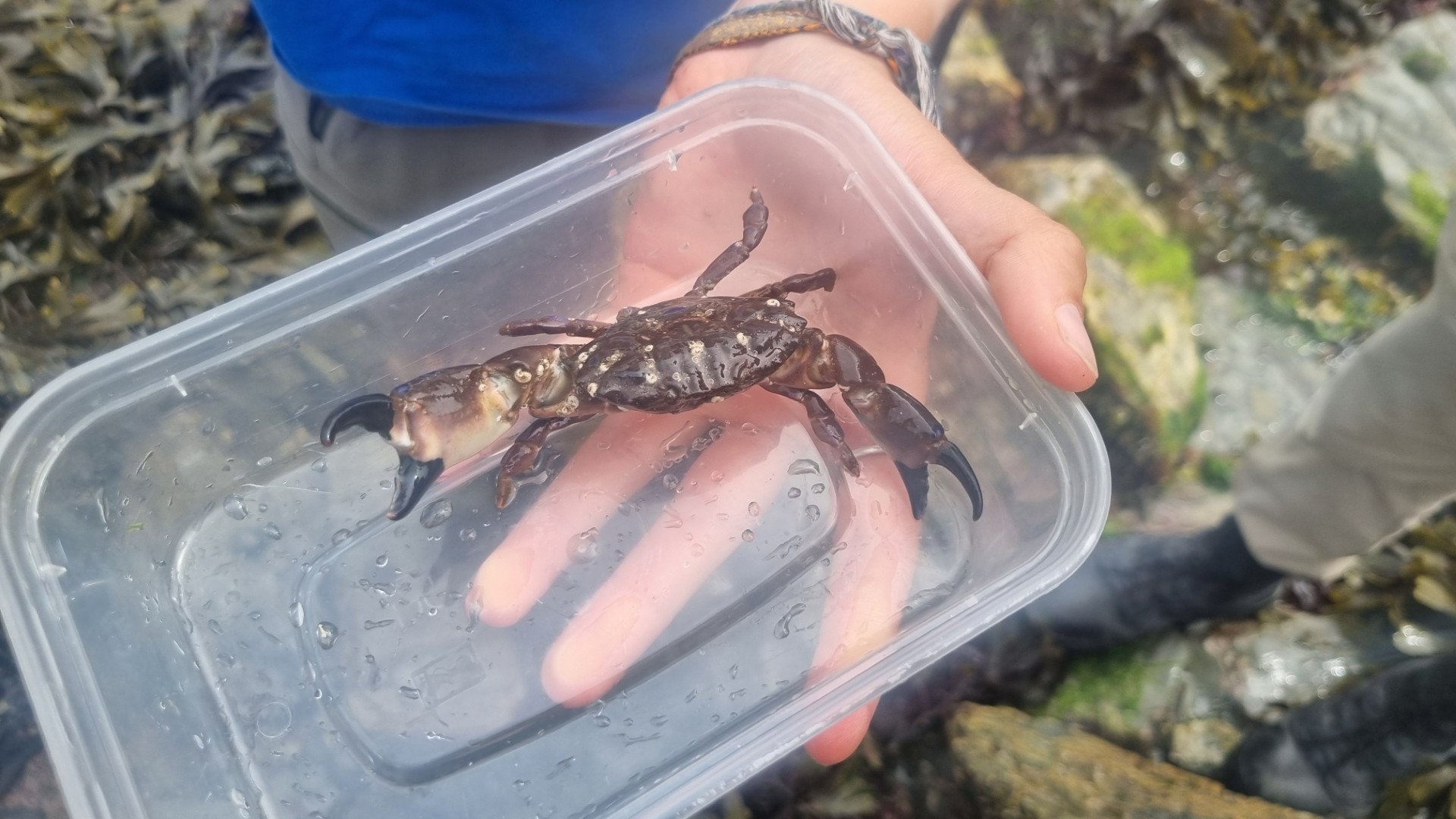
Whilst birds are my main interest, I was also keen to explore the wider nature of the island. I rediscovered the wonders of the shoreline during a rockpool ramble and a snorkel safari, led by the assistant warden. The sea slugs and pipefish were definitely my rockpool highlights and I was finally able to get up-close to sand eels which, after watching puffins for a whole season last year, was an absolute dream come true.
Packing for the field
Now that the new term has started and we have a lot of new students about to begin their own conservation journeys, I thought I’d share some tips from my experience in the field to answer that all-important question… what do I pack!?
If there is one thing I have learned in my field experiences is that the weather can be unpredictable! For this trip, I packed waterproofs and a beanie (in June!?) but also a bucket hat and sunglasses and used everything. When packing for the field, good footwear makes all the difference! For instance, wellies in rainforest and shoes with good grip for cliffs.
There’s nothing like being prepared to recognise the target species of your trip, so don’t forget your ID guides. For night surveys and camping at the field site, a head torch is also a must. Bonus points if it can do red and white light.
Field stations can be noisy and sleeping in a tent can be very light in the morning, so an eye mask and ear plugs are key for those vital hours of rest.
Finally, snacks!! Staying hydrated is essential when you are active, especially when in a hot country, so remember your electrolyte sachets. A little snack from home can also be a good pick-me-up if things get tough.