Hi Lukumo, can you tell us a bit about your trip?
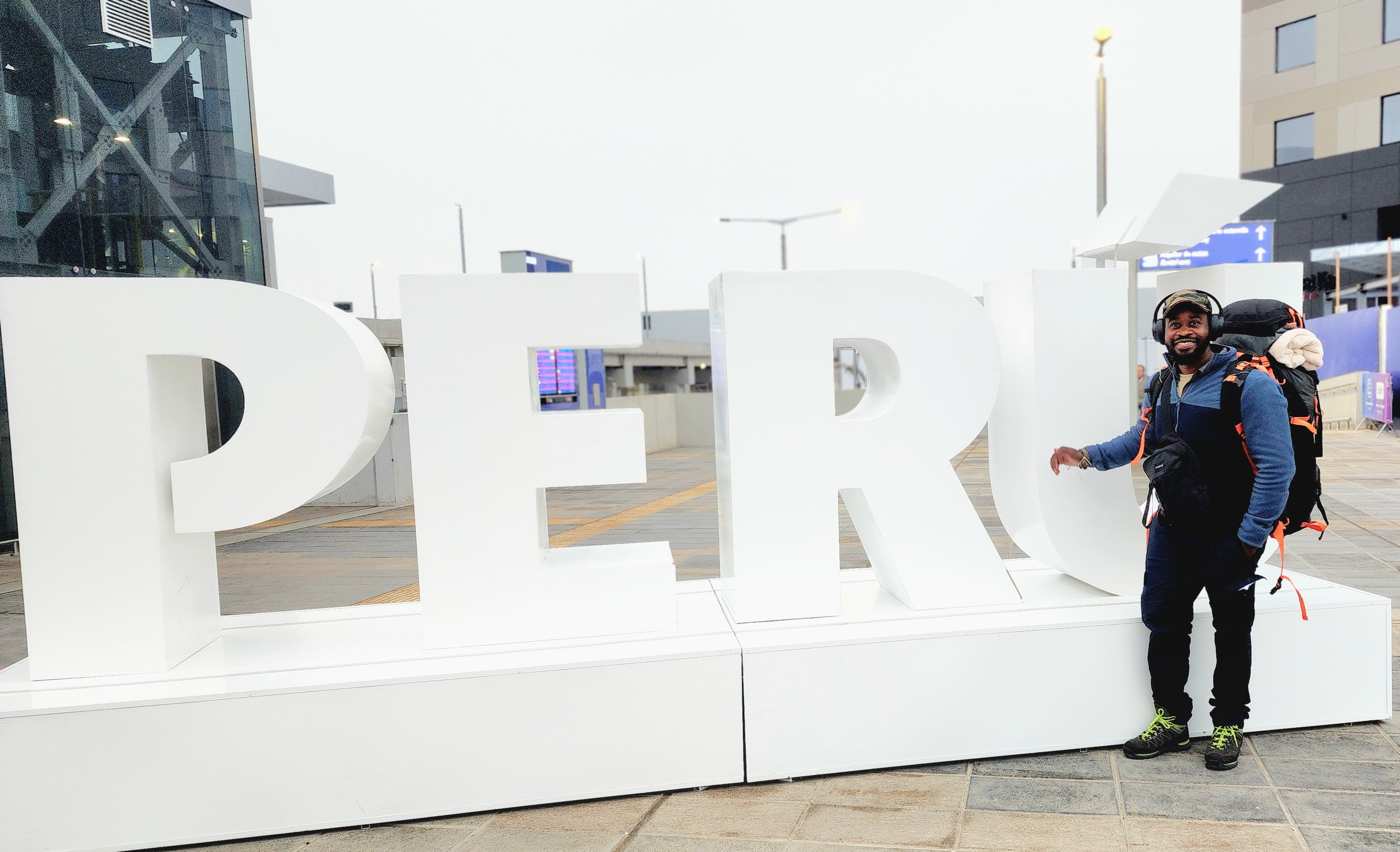
My trip to the Peruvian Amazon was one of the most fulfilling and transformative experiences of my MSc journey. As a conservation scientist, it was a dream come true to immerse myself in one of the most biodiverse regions on Earth. In collaboration with Estación Biológica Río Amazonas, a unique floating research station anchored on the Rio Amazon channel, I gained first-hand experience in tropical ecology through a structured programme supported by field biologists and local community partners.

During my stay, I participated in a wide range of ecological surveys, including aquatic and terrestrial mammal transects, point-count bird surveys, fish netting, river dolphin monitoring, bat surveys, and nighttime surveys of reptiles, amphibians, and caimans. I developed practical field skills in ecological data collection using a variety of techniques, including GPS tracking, acoustic monitoring, and spotlighting. In addition, my research allowed me to design and conduct face-to-face interviews with Indigenous community members, strengthening my qualitative research skills and intercultural communication.

What is your research topic and what did you find?
My research focused on observing sustainable wild resource use within community-based conservation initiatives in the Peruvian Amazon. I also anticipate to explore comparative insights between these efforts and the approaches used in the Zambian component of the Kavango-Zambezi Transfrontier Conservation Area (KAZA), specifically within the Silowana Complex. This study stemmed from my passion for community-led conservation and my extensive experience working with local communities. It aimed to understand how similar conservation strategies are implemented under different ecological and socio-political contexts.
The dynamic interactions between social and ecological systems highlighted the critical role ecosystem services play in supporting local livelihoods. Observing predator–prey dynamics and the seasonal transitions between high- and low-water periods deepened my understanding of how climatic patterns influence biodiversity and human activity. These seasonal fluctuations affect not only species distributions but also the timing and practices of fishing, farming, and forest resource use.
What did you learn during your time in Peru?
This immersive field experience refined my ecological and social research techniques and strengthened my appreciation for long-term ecological monitoring as a foundation for effective conservation. It also reinforced my commitment to supporting community-based approaches that integrate biodiversity protection with sustainable livelihoods particularly in ecologically and socially complex landscapes like the Amazon.
_
Thanks for sharing your experiences, Lukumo, and good luck with your future research!