
Hi Johanna, thanks for being this month’s Spotlight! Can you tell us about yourself and your research interests?
I’m a post-doctoral research fellow specialising in bioinformatics, machine learning and genomics. I am interested in using genetic data (DNA sequences) to understand various elements of global change biology at scales ranging from microbes and specific types of proteins all the way to modelling extinction risk of large datasets of simulated genomes and various things in between.
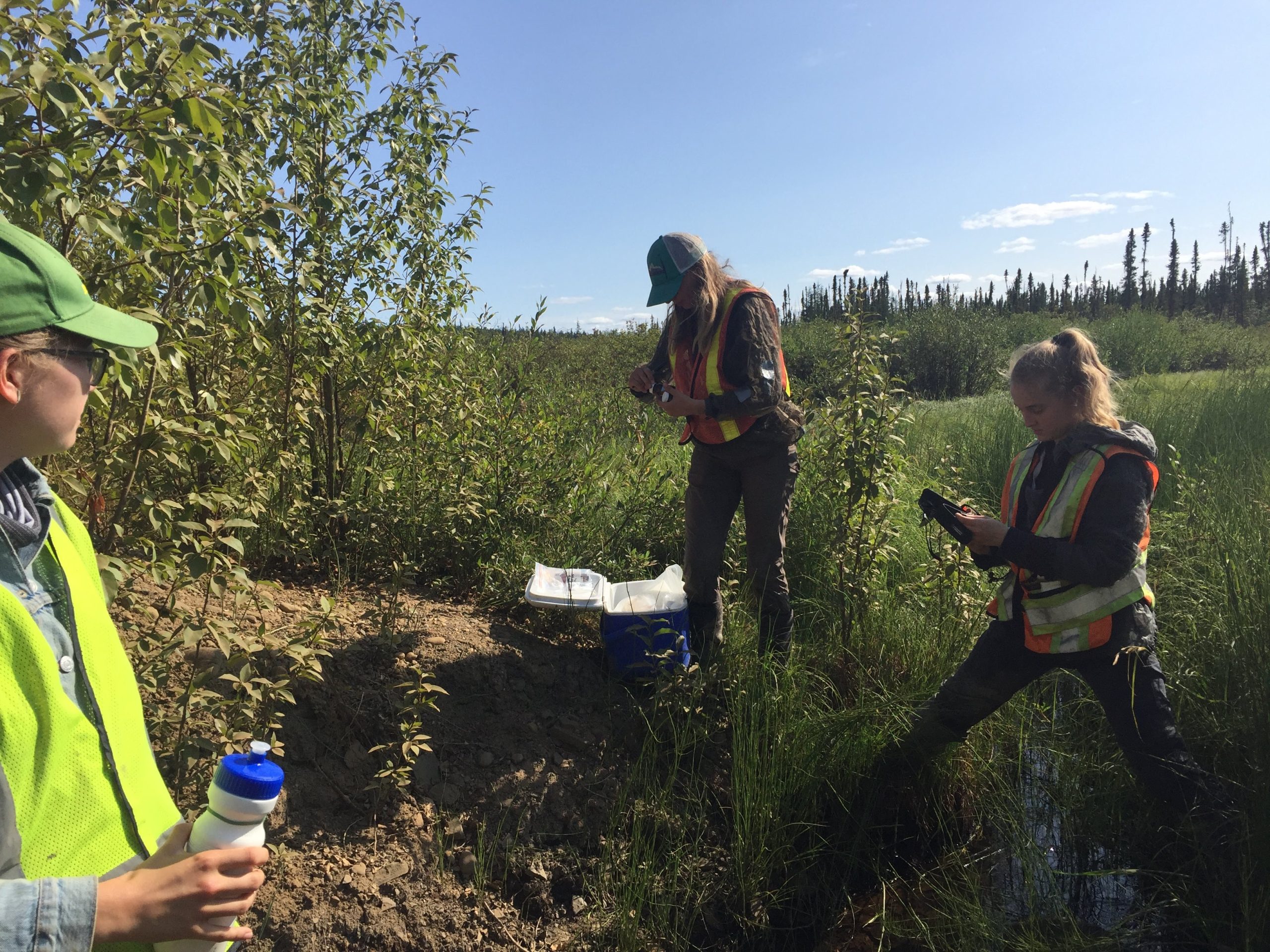
My interest in this type of research started during my undergraduate degree, where a summer research opportunity with Professor Andrew Tanentzap landed me three months of fieldwork in northwestern Canada studying the effects of permafrost thaw on greenhouse gas emissions, and the role of microbes in this process.
Following on from this, I completed my PhD in Environmental Sciences at the University of East Anglia in 2025 with Professor Cock van Oosterhout, where my thesis covered a range of seemingly very disparate topics, all involving using genetic information to identify signals of environmental adaptation or extinction risk. Ultimately, I would say that I am interested in using genetic information to understand how living systems interact with their (often changing) environments.
What are you working on currently?
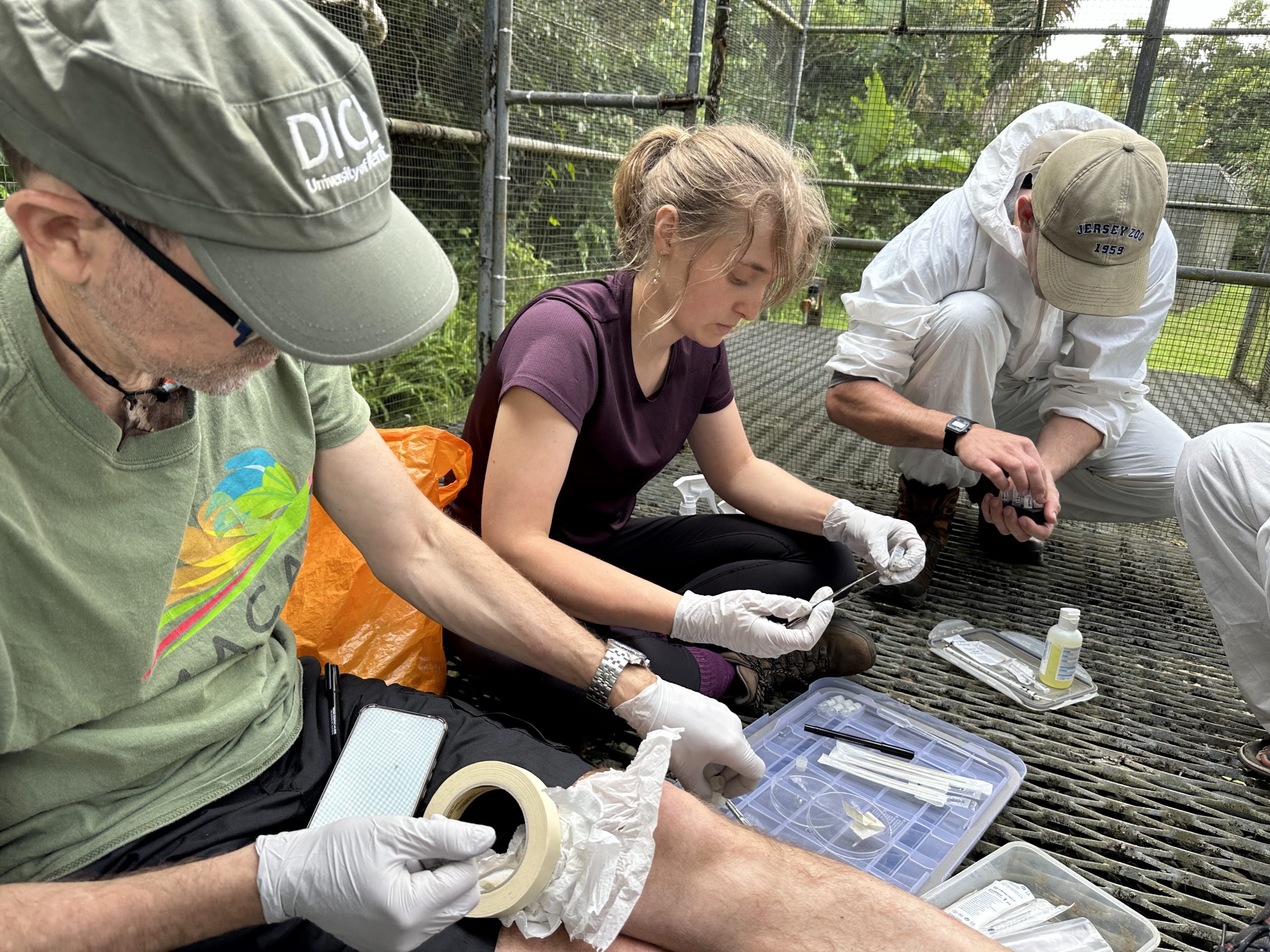
Since January of this year (2026) I’ve been working with Professor Jim Groombridge at DICE, working on identifying the genetic basis of disease resistance or susceptibility to beak and feather disease virus in the endangered Mauritius (echo) parakeet. A big part of this has been reconciling decades of record-keeping for this species, the result of intensive conservation management, to work out which birds have historically had the disease, what their symptoms were, and then comparing DNA sequences when we have samples for these birds. The long-term end goal is to build a machine learning model that can be applied across the many species of parrot which suffer from this disease, to predict which individuals will be resistant to the virus and thus inform future conservation interventions.
Right now, we are preparing for the upcoming echo parakeet breeding season, where our colleagues in the National Parks and Conservation Service (Government of Mauritius) and the Mauritian Wildlife Foundation will be helping us repeat sample echo parakeet chicks so we can hopefully opportunistically observe how disease resistance/susceptibility progresses in these birds.
What made you want to work at DICE?
I attended the Mauritian Conservation Science and Management Meeting in 2025, hosted by Jim and his group in DICE, where it was clear that their work prioritises meaningful conservation outcomes of research, achieved via collaborations with government and NGOs in Mauritius. Work in DICE seems to fit on a broad spectrum from feet on the ground conservation all the way to policy, and it feels like there is a clear path from research to impact, which is definitely important to me!
What is your favourite part of your job?
So far the best part of this job has been getting to travel to Mauritius and see the actual birds and the amazing conservation work that is being carried out there!
Can you share a fun fact about yourself?
I’m learning to play the mandolin! I’m not great at it so far, but stay tuned…
_
For more about Johanna and her work, visit her staff profile.