It was wonderful to return to Edinburgh after more than a decade.
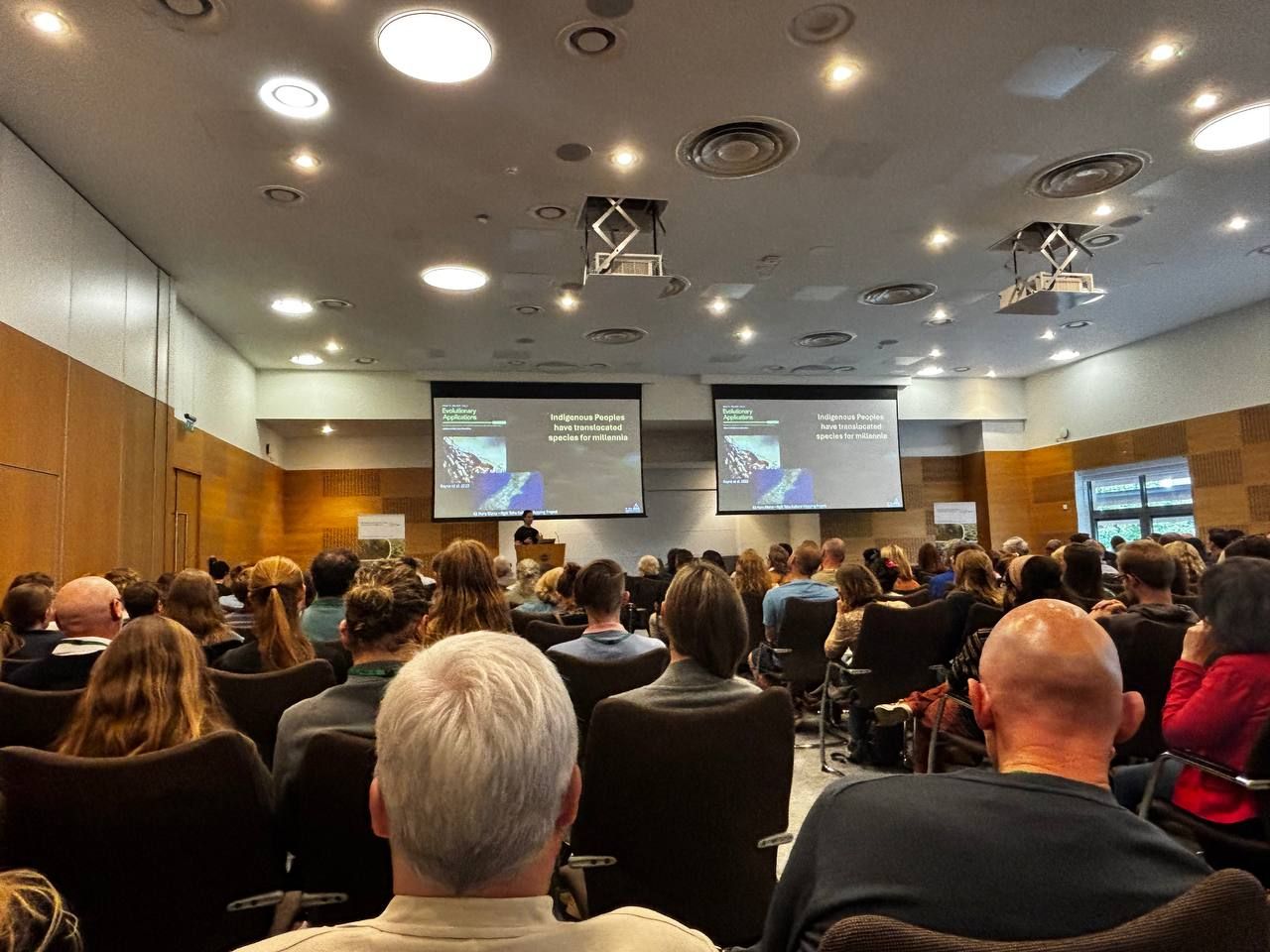
The last time I visited, I spent a week working with the Royal Zoological Society of Scotland (RZSS), analysing genetic data for my PhD. This time, I returned to attend the Third International Conservation Translocation Conference, hosted by the University of Edinburgh.
The conference was organised by NatureScot, the Royal (Dick) School of Veterinary Studies, the Royal Botanic Garden Edinburgh and RZSS. It brought together conservation practitioners, researchers, policymakers and other specialists from around the world to discuss how conservation translocations can be planned, delivered and evaluated.
Scotland was a fitting place to host the event. The country has considerable experience of conservation translocations involving species such as the Eurasian beaver, white-tailed eagle, vendace, freshwater pearl mussel, woolly willow and pine hoverfly. Scotland also has its own national Code for Conservation Translocations, which provides guidance on how these projects should be assessed and managed.
So, where better than Scotland to discuss the future of conservation translocations?

The conference programme included 174 presentations covering policy, research and practical experience across a wide range of species and habitats. I contributed with a short presentation on sustainable finance for conservation translocations.
As someone interested in nature recovery and rewilding, I was particularly keen to hear about the latest developments in this field. It is increasingly common to see animals described as allies in restoring degraded landscapes and responding to the impacts of climate change, especially when they are allowed or helped to recolonise parts of their former range.
The conference covered many aspects of conservation translocation: when it should be considered, how it should be carried out, and how success should be measured.
One of the areas I found most interesting was decision-making. Choosing whether to undertake a translocation is rarely straightforward. It requires a transparent process, careful consideration of risks and benefits, and meaningful engagement with communities, landowners, policymakers, conservation organisations and other stakeholders.
Good science is essential, but it is not enough on its own. Conservation translocations also depend on trust, communication and long-term commitment.
One area where I think there is still room for stronger collaboration is between translocation specialists and researchers and practitioners working on rewilding, ecosystem restoration and nature recovery. There was understandably a strong focus on individual species and their populations, but comparatively less discussion about the wider effects of translocations on ecosystem functioning, other organisms and people.
After several decades of experience, sometimes involving trial and error, the conservation community is now much better at planning, preparing for and implementing translocations. There have been important successes, including the recovery of the Iberian lynx, the reintroduction of scimitar-horned oryx to Chad, and the restoration of several bird populations.
The next step is to think more critically about the ecological and social consequences of these projects. What happens to other species? How do translocated animals change ecological relationships? What are the effects on local communities and land use? And how can we ensure that conservation benefits are shared fairly?
There was also serious discussion about assisted colonisation: moving species beyond their known historical range, potentially as a response to climate change.
Conservation translocations are becoming more carefully planned, more evidence-based and more transparent. At the same time, the field is entering a new phase, one in which we must look beyond whether a species survives and ask how translocations influence whole ecosystems and the people who live alongside them.
Thank you to everyone who made the conference possible and shared their knowledge and experience, particularly Martin Gaywood and all the members of the organising committee.
_
Dr Farhardinia’s conference participation was funded by E3 Sharing Space for Nature. Read more about Dr Mohammad Farhadinia on his profile.