Hi Kennedy, thanks for being this month’s spotlight! What have you been up to since graduating from DICE?
I’m halfway through my PhD at Yale University in New Haven, Connecticut. At the moment, I’m in Kenya for my fieldwork, collecting some preliminary data. I’m at the beginning of my research, looking at human-elephant relations in rapidly changing social and ecological landscapes.
What inspired your research?
A lot of my inspiration comes from where I grew up. I’m Samburu, an Indigenous pastoralist community in northern Kenya that is closely related to the Maasai. For generations, people in my community have lived alongside elephants, and there are many stories, beliefs, and cultural traditions that reflect that relationship. One belief, for example, is that elephants and humans share a common ancestry, which speaks to the deep connection many people feel with them. Traditional practices, such as honouring elephant carcasses with green twigs, also reflect that sense of kinship and respect, much like how people place flowers on the graves of loved ones.
What fascinated me was seeing how that long-standing relationship has been changing. Over the last decade, human-elephant conflict has increased significantly across many parts of northern Kenya. I became interested in understanding not only why conflict occurs, but also how social, cultural, and environmental changes are reshaping relationships that have existed for generations.
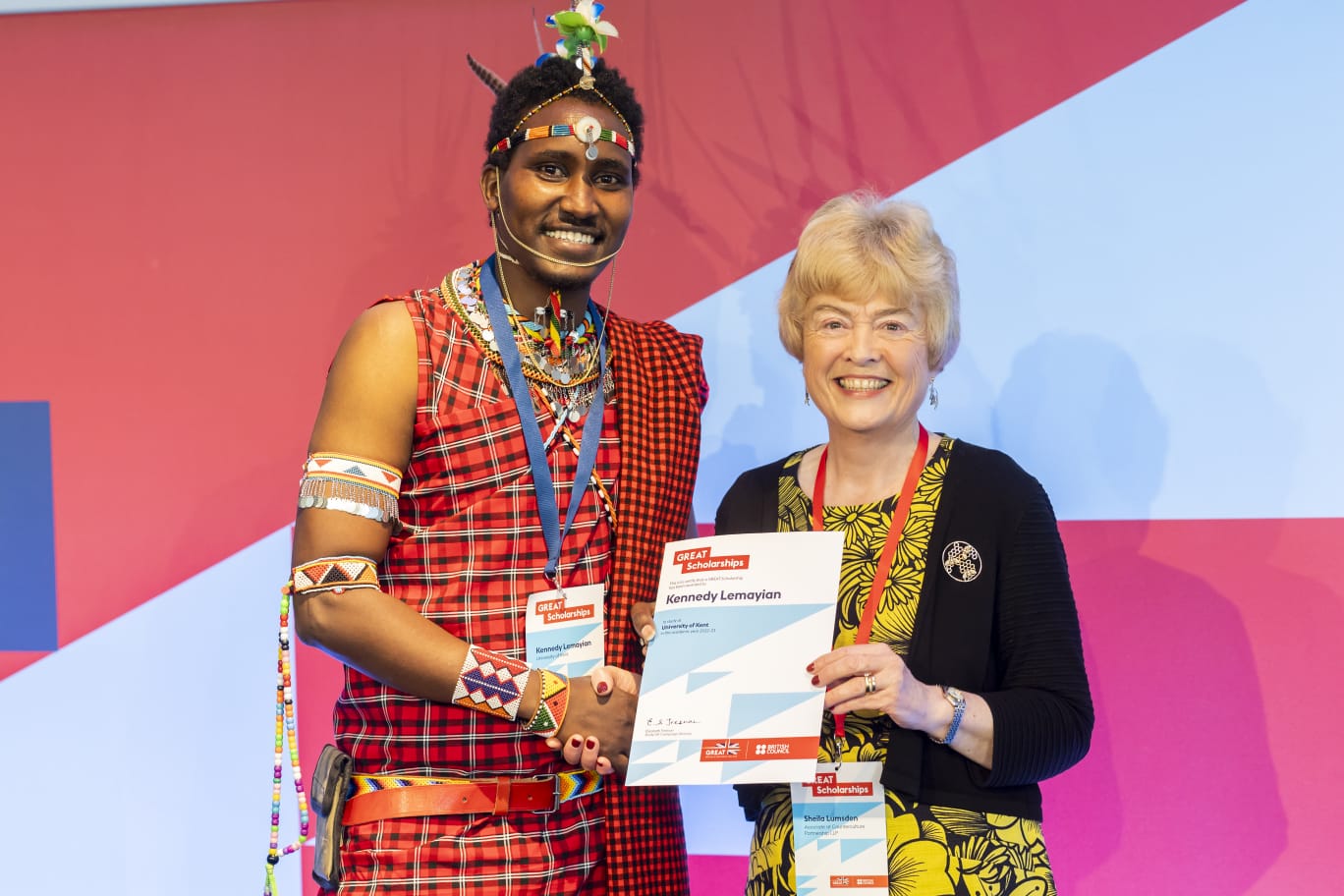
That interest formed the basis of my Master’s research at DICE, where I examined patterns and drivers of human-elephant conflict in Samburu landscapes. While ecological factors were important, my interviews with local communities revealed a much bigger story. People often linked conflict to broader changes such as shifts from nomadic pastoralism to agro-pastoralism, increasing settlement, land-use change, resource scarcity, and climate change. These transformations are changing how people and elephants share space and resources, disrupting long-standing patterns of coexistence.
Those findings left me with many new questions and ultimately inspired my PhD. My current research builds on that work by exploring how changing social and ecological conditions are influencing relationships between people and elephants, and what that means for coexistence and conservation in the future. It has also been rewarding to see my Master’s research recently published in Pachyderm.
What do you remember most from your time at DICE?
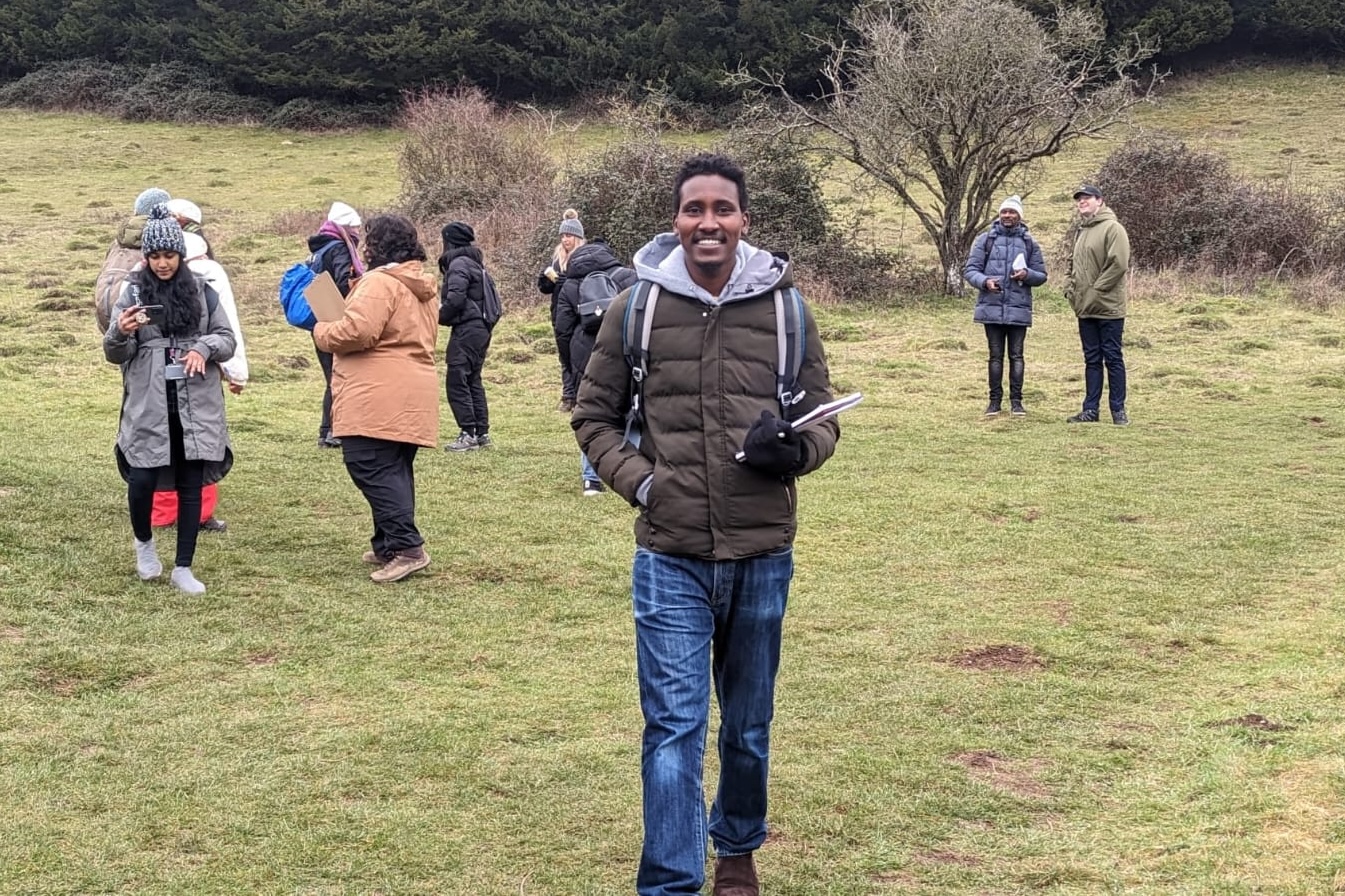
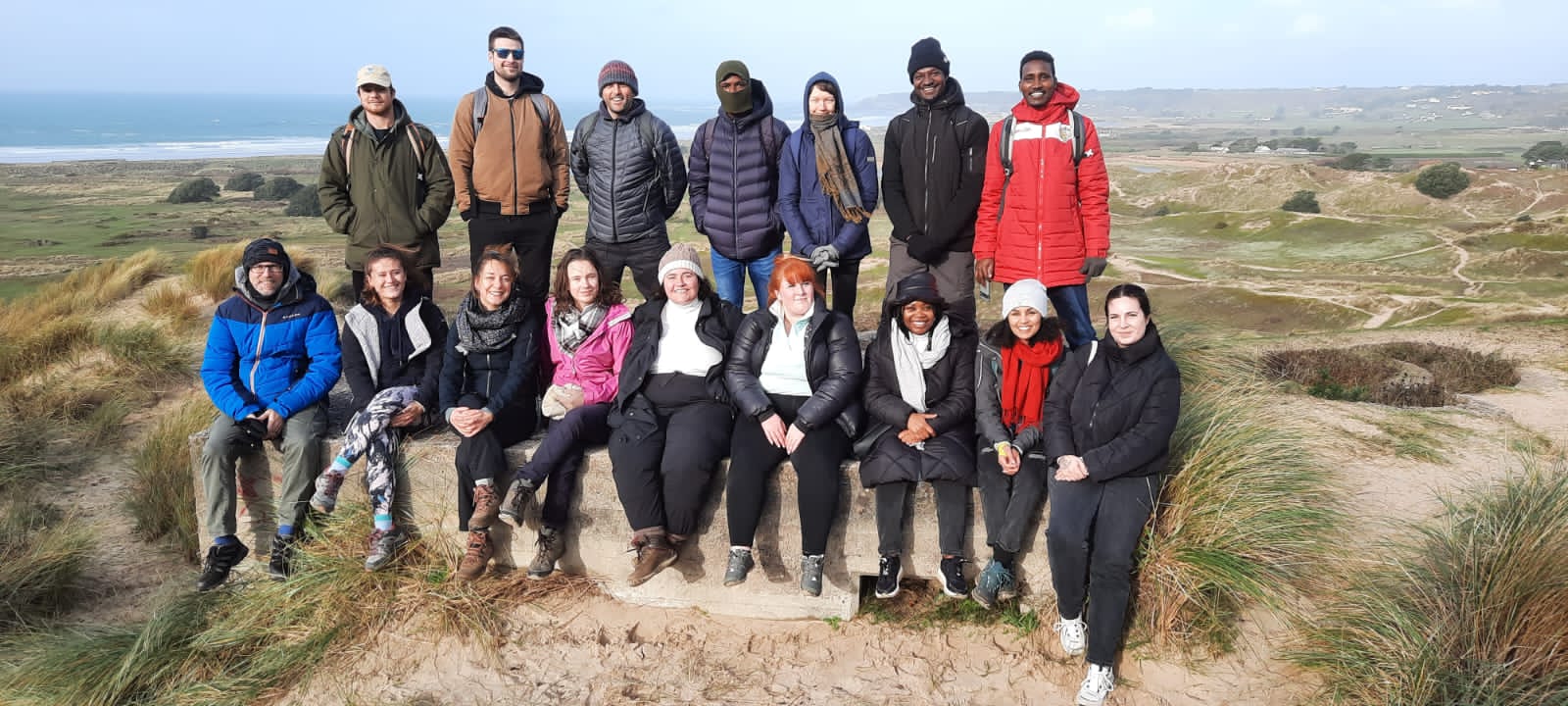
From my time at DICE, I remember the amazing lectures. I thought they were really well-planned and engaging. The field trips were great too; I enjoyed the trip to Jersey especially. Also, the assignments weren’t just assignments – they helped us develop practical skills in data analysis, how to do scientific writing and and much more. We had one on assessing people’s attitudes towards green spaces which I thought was fascinating.
We also had workshops on statistical analysis, GIS – I still use those skills today, they’ve been really helpful, particularly the academic writing and data analysis skills. Before coming to DICE, I already had strong field experience through my work with Save the Elephants. However I was missing some of the analytical and scientific writing skills that are essential in this field. DICE helped me develop those skills and showed me how to turn field observations and data into meaningful research. Coming to DICE, adding those critical skills elevated me in my career and also opened up doors for me to do a PhD at Yale.
-
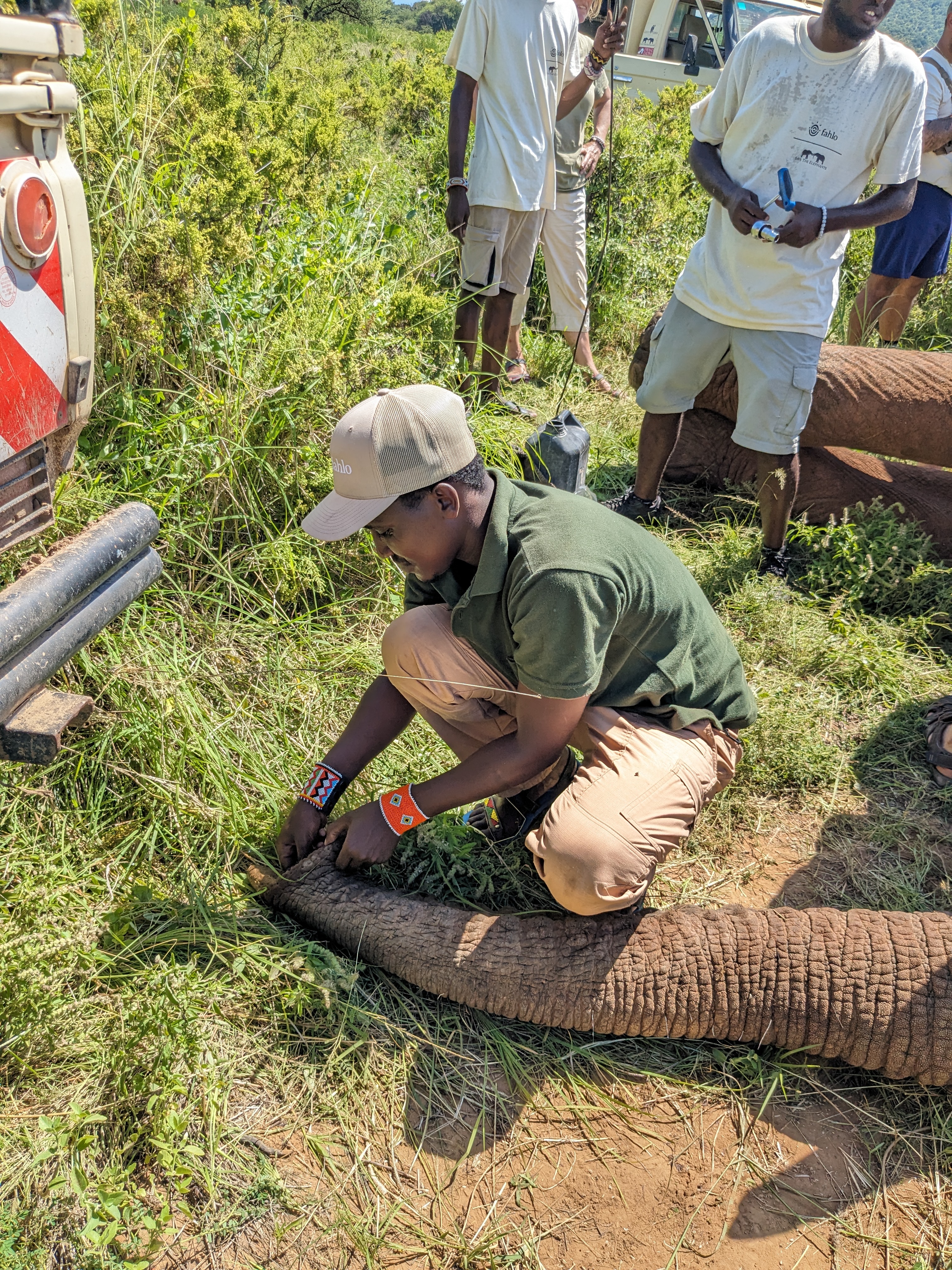
- Kennedy working in the field, studying human-elephant relations
-
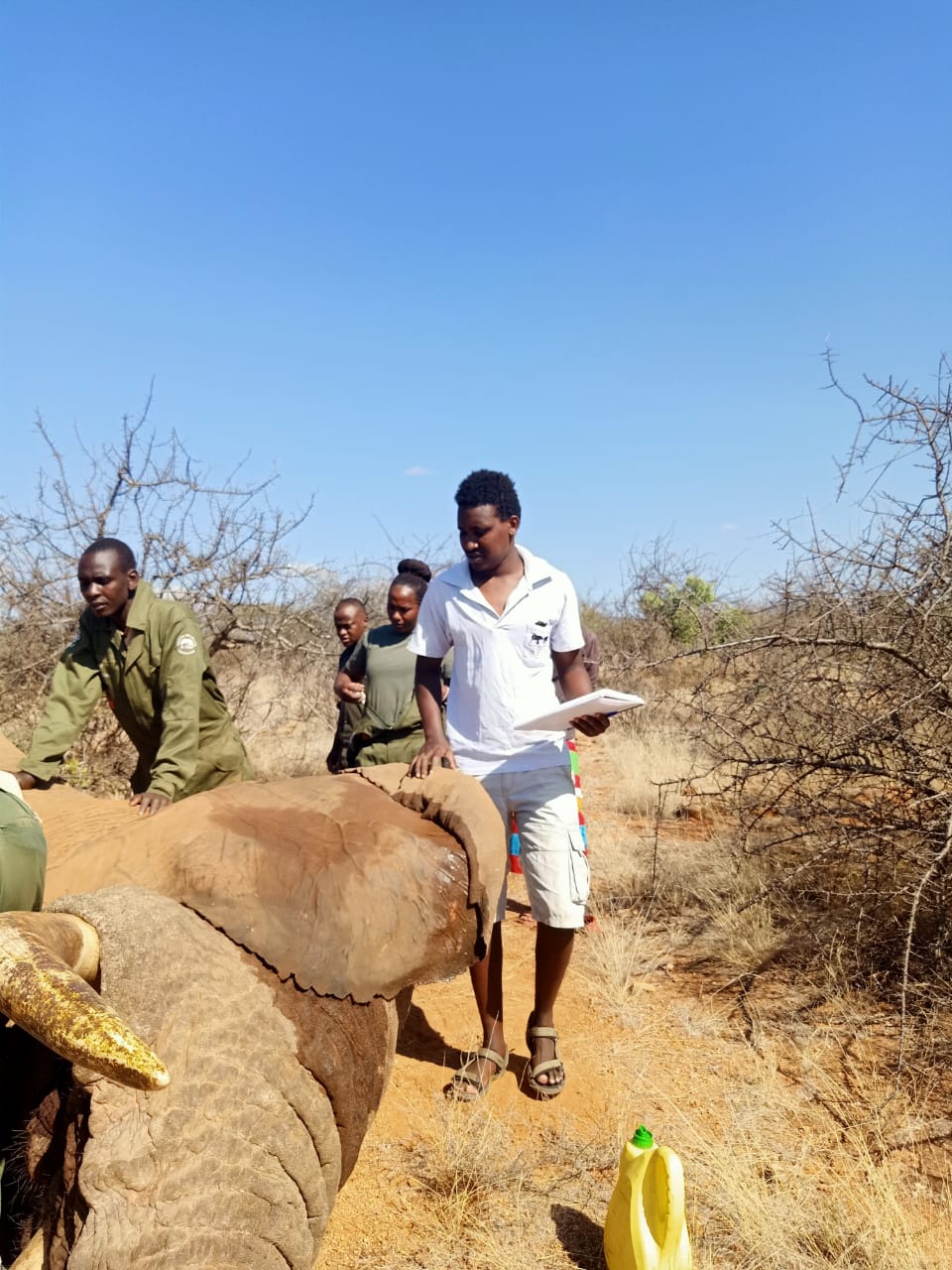
- Kennedy working in the field, studying human-elephant relations
What is your advice for the incoming cohort of Master’s students?
I’d tell incoming students to make the most of their time at DICE and really enjoy the experience. Take advantage of every opportunity – learn as much as you can, build friendships, engage with the DICE community, and explore what both DICE and the UK have to offer. The academic experience is excellent, but some of the most valuable parts of the journey are the people you meet, the experiences you have, and the perspectives you gain along the way. When I came to the UK, I thought one year would be such a long time and I wasn’t sure what to expect. But before I knew it, the year had flown by. So I would encourage students to enjoy it, make good friends. On a personal level, one thing I really came to appreciate was the friendships I built during my time at DICE. When I later moved to the United States to begin my PhD, the transition felt much easier because of the network of friends I had made. In fact, even practical things like planning my travel and figuring out transport from the airport were made easier because former DICE friends were there to help. Those connections have lasted well beyond my Master’s and have been one of the most rewarding parts of the experience.