Rewilding bison
You may have heard that bison have made it into Kent, thanks to a flagship and pioneering introduction undertaken by Kent Wildlife Trust. Along with Exmoor ponies, English longhorn cattle and Iron-age pigs, these European bison have been brought back to ‘rewild’ the Blean woodland. Bison are ecosystem engineers – their everyday activities of eating, walking, bathing and even toileting create changes in the woodland ecosystem. The result is a mixture of woodland habitats that allows biodiversity to thrive and enhances resilience to environmental change.
A natural experiment
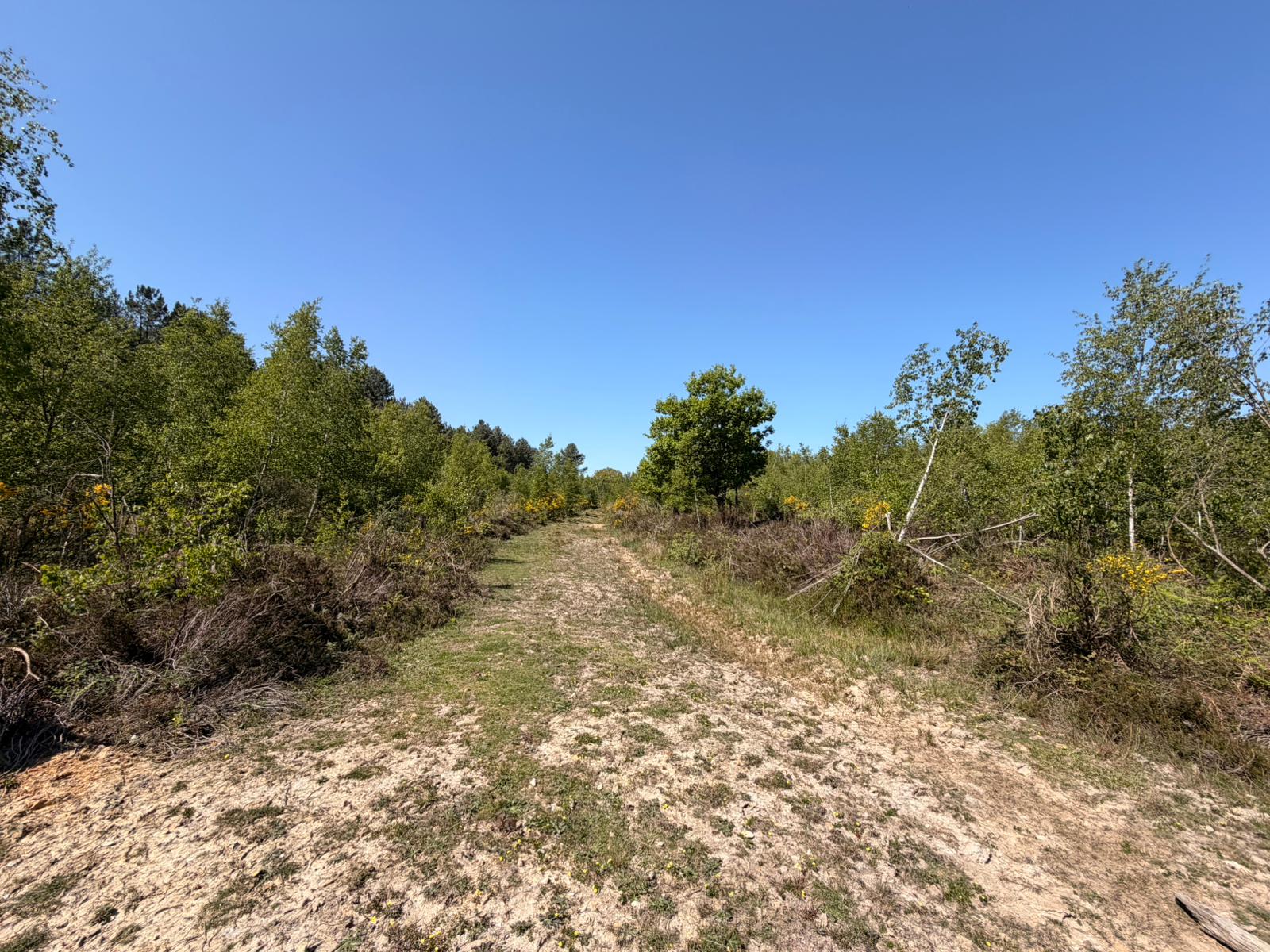
All of this is taking place on our doorstep, just 3 miles north of our offices at the University of Kent’s Canterbury campus. The Wilder Blean Conservation Complex is a collection of woodland patches, making up the largest area of ancient woodland in the UK. Without herbivores, woodland management across this 4 km² complex has to be much more hands-on, relying on human and machine power to fell and coppice trees to create structural diversity.
Now, parts of the complex have free-roaming bison, cattle, horses and pigs, which are creating disturbance and effectively carrying out the management for us. These herbivores exist in different assemblages across various compartments of the Blean, allowing us to disentangle their individual impacts on woodland structure and biodiversity. Woodland areas without herbivores act as important ‘controls’ representing a ‘business-as-usual’ approach to woodland management. Together, this set up creates a natural experiment that will enable us to understand how well Bison contribute to woodland recovery.
An ear and eye into the life of the Blean
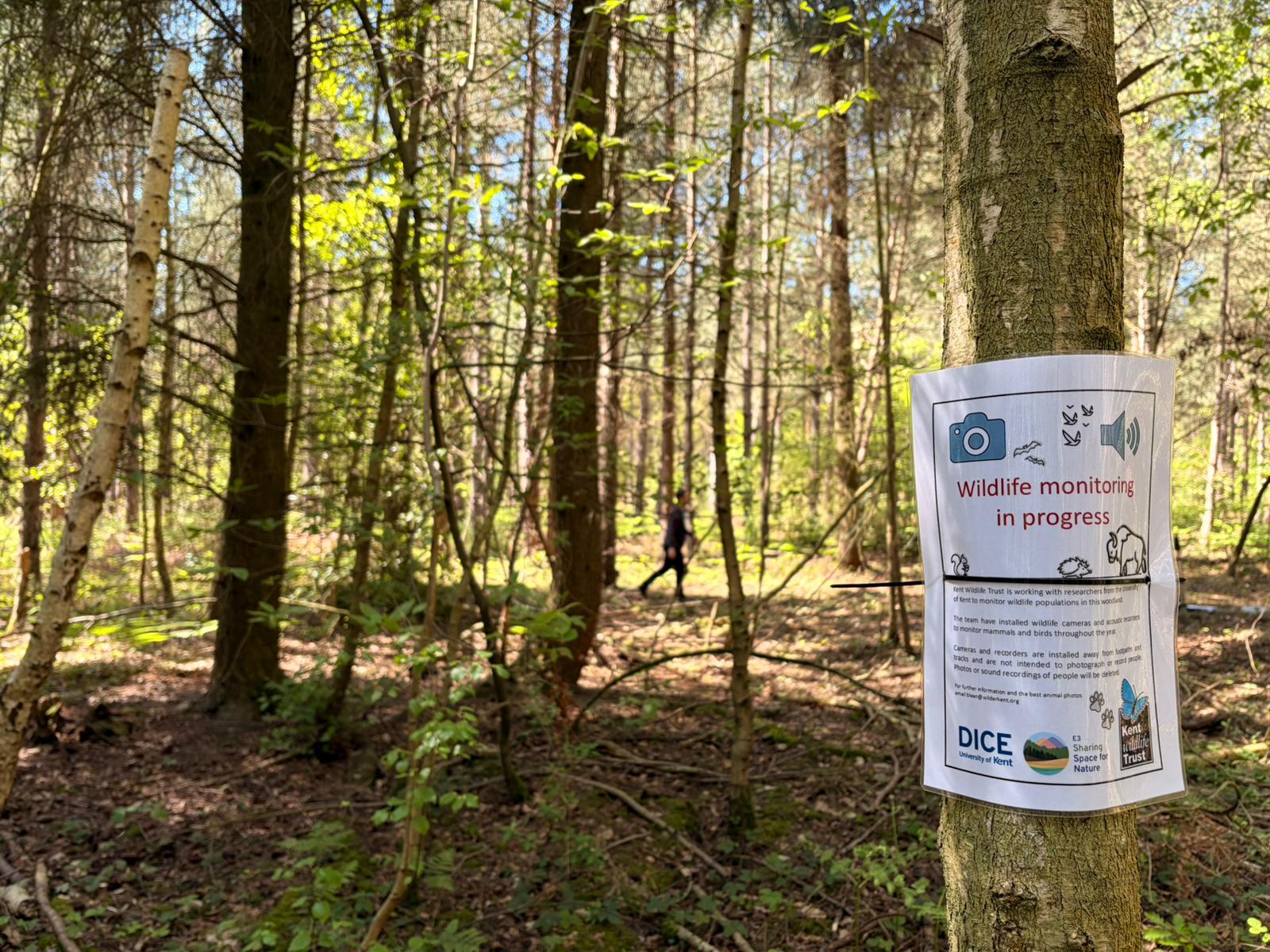
To understand how these changes are unfolding, our E3 team is using the latest technological tools to watch and listen to the woodland over time. Across the Wilder Blean, we have deployed a network of camera traps and acoustic recorders. These devices stay in the woodland day and night, recording biodiversity.
Camera traps give us insights into the presence and behaviour of mammals, including the activity of the free-roaming herbivores. Whenever a camera is triggered by movement, for example a Bison or badger coming into view, it takes a series of images. Across time, these images reveal how often different species use particular areas, how they move through the landscape and how their activity changes over time. This allows us to link animal activity patterns to any changes in woodland vegetation and structure.
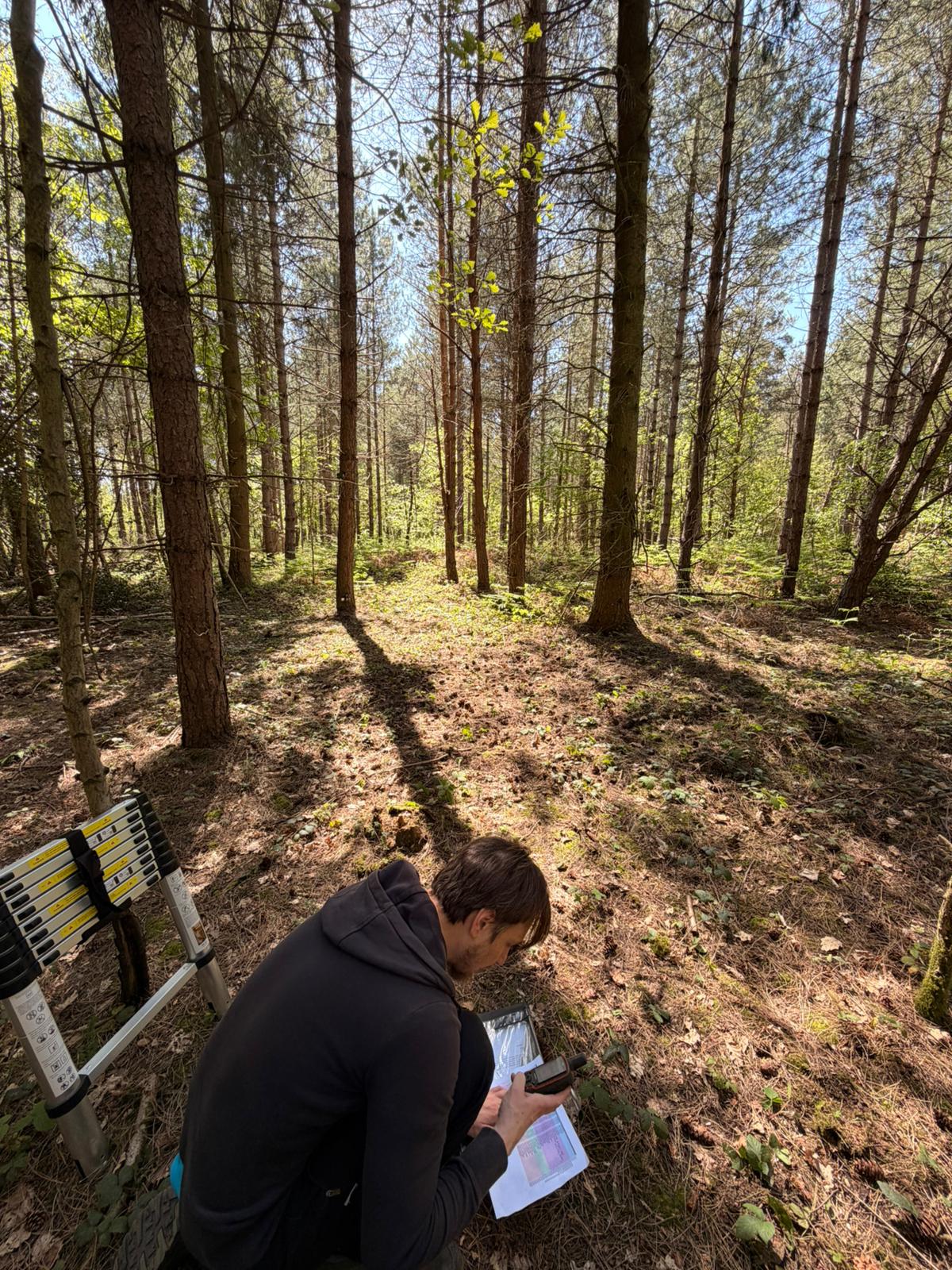
Alongside this, our acoustic recorders capture the sounds of the woodland. These recordings will allow us to document the bird and bat species living across Wilder Blean, as explore the broader soundscape of the Blean. Soundscapes are the acoustic equivalent to a landscape: the sounds of a place, from birdsong and wind in the trees to the rippling of streams and human footsteps. By analysing these soundscapes, we can assess how species diversity and activity vary between areas with and without herbivores.
Linking to ecosystem functioning of the woodland
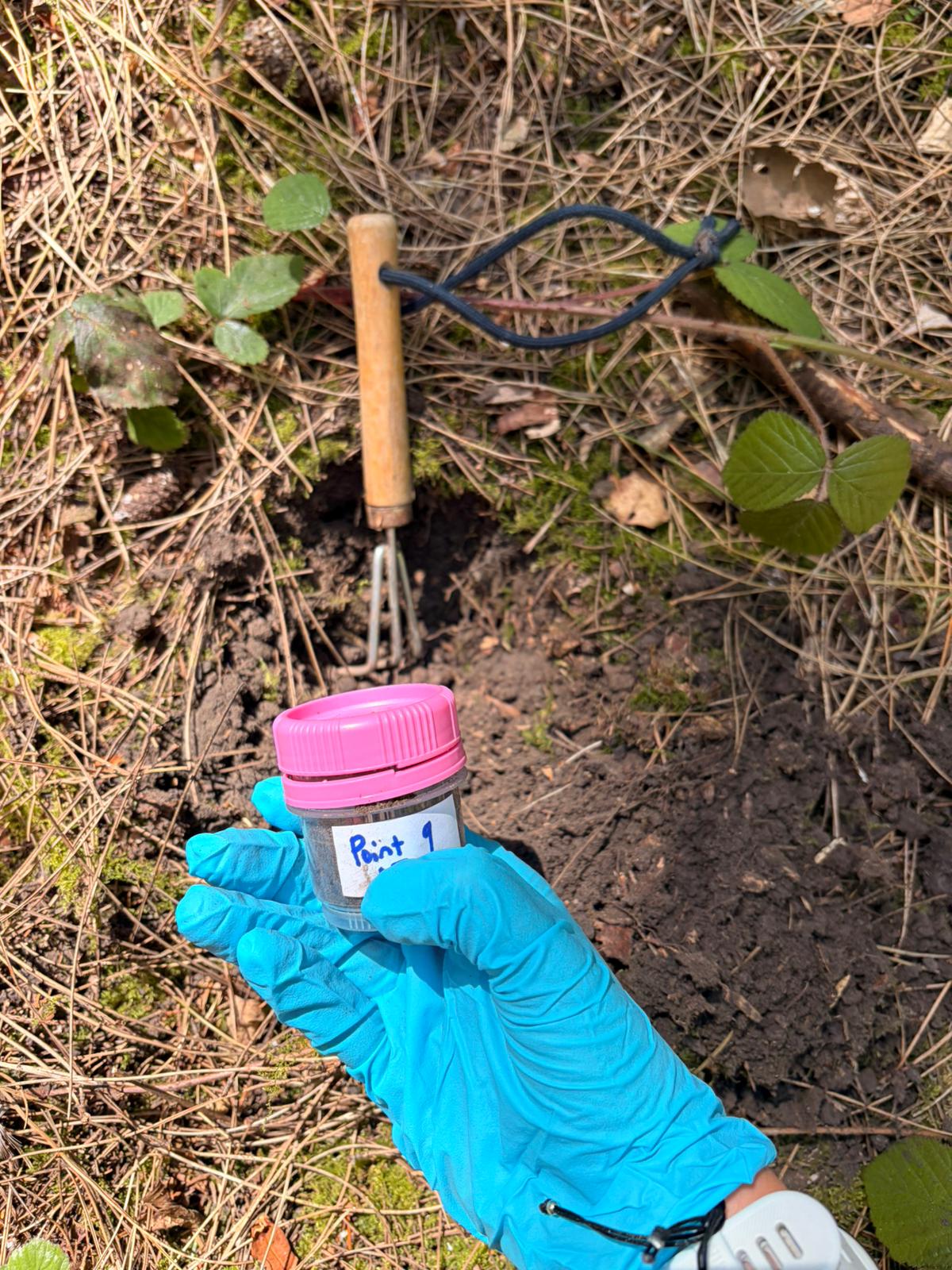
Our network of study sites provides a great opportunity to further examine how the vertebrate biodiversity shapes the way the woodland functions as an ecosystem. Working with colleagues in Biosciences at Kent, the team are collecting soil samples across the landscape to characterise belowground biodiversity and classify organisms into functional groups.
In parallel, a campaign to sample aerial insects at a subset of sites with Kent Wildlife Trust, is helping us build a clearer picture of invertebrate communities and how they relate to variation in woodland management and biodiversity. Drone surveys and vegetation plots are being used to assess woodland condition and quantify carbon stored in standing trees.
Human insights
People are an essential part of this system too. The Blean is a much-loved landscape among local people and visitors from further afield. The pioneering introduction of bison further creates a unique ecotourism opportunity for the UK. As the project develops, we are keen to explore how people engage with the Wilder Blean and to delve into potential wellbeing and societal benefits of this innovative conservation work.
This is just the beginning of our research across the Wilder Blean. We are excited for data to start coming in and to build up a picture of both the biodiversity and social outcomes of woodland recovery across England’s first bison introduction initiative.
Read more about E3 Sharing Space for Nature on our website.