What are Centres for Species Survival?
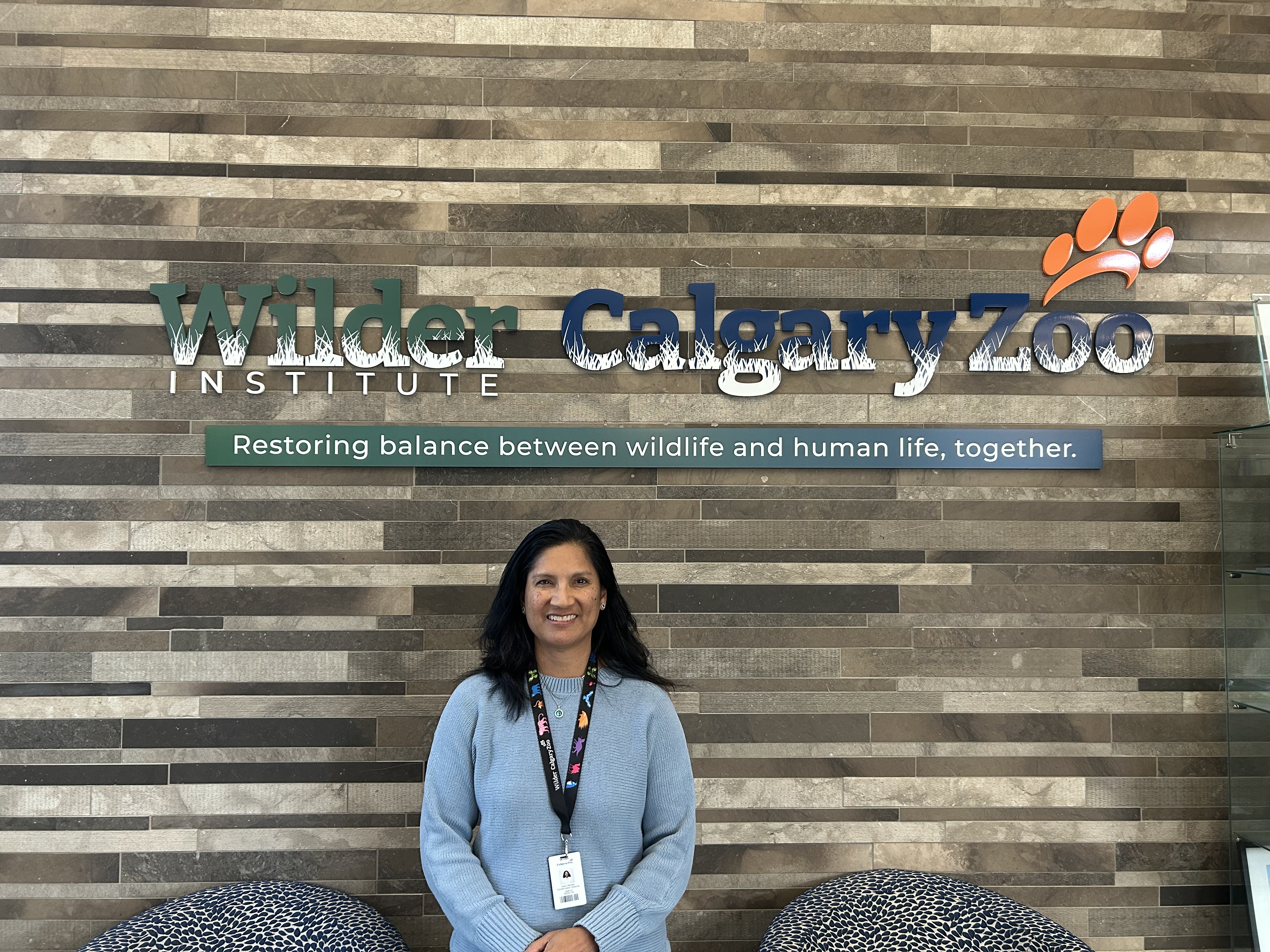
Centres for Species Survival (CSSs), are partnerships between the IUCN SSC (Species Survival Commission) and leading species conservation organisations. The Wilder Institute/Calgary Zoo CSS addresses the critical—but often under-resourced social and cultural aspects of conservation. The CSS on Human Dimensions is unique as it focuses on the connections between people and wildlife for co-benefits of species conservation, linking the health and livelihoods of local communities with the conservation and sustainable use of wild species.
What does a typical day look like in your current role?
The centre just launched last year, so right now I’m doing a lot of planning for all the activities for the centre. One thing I’m involved in is a practitioner assessment – it’s a needs assessment, or gap analysis. The idea is to reach out to practitioners who are working in Global South or Indigenous communities at small or medium-sized NGOs, who work directly with communities and find out what their needs and practices are and what support and resources we can supply.
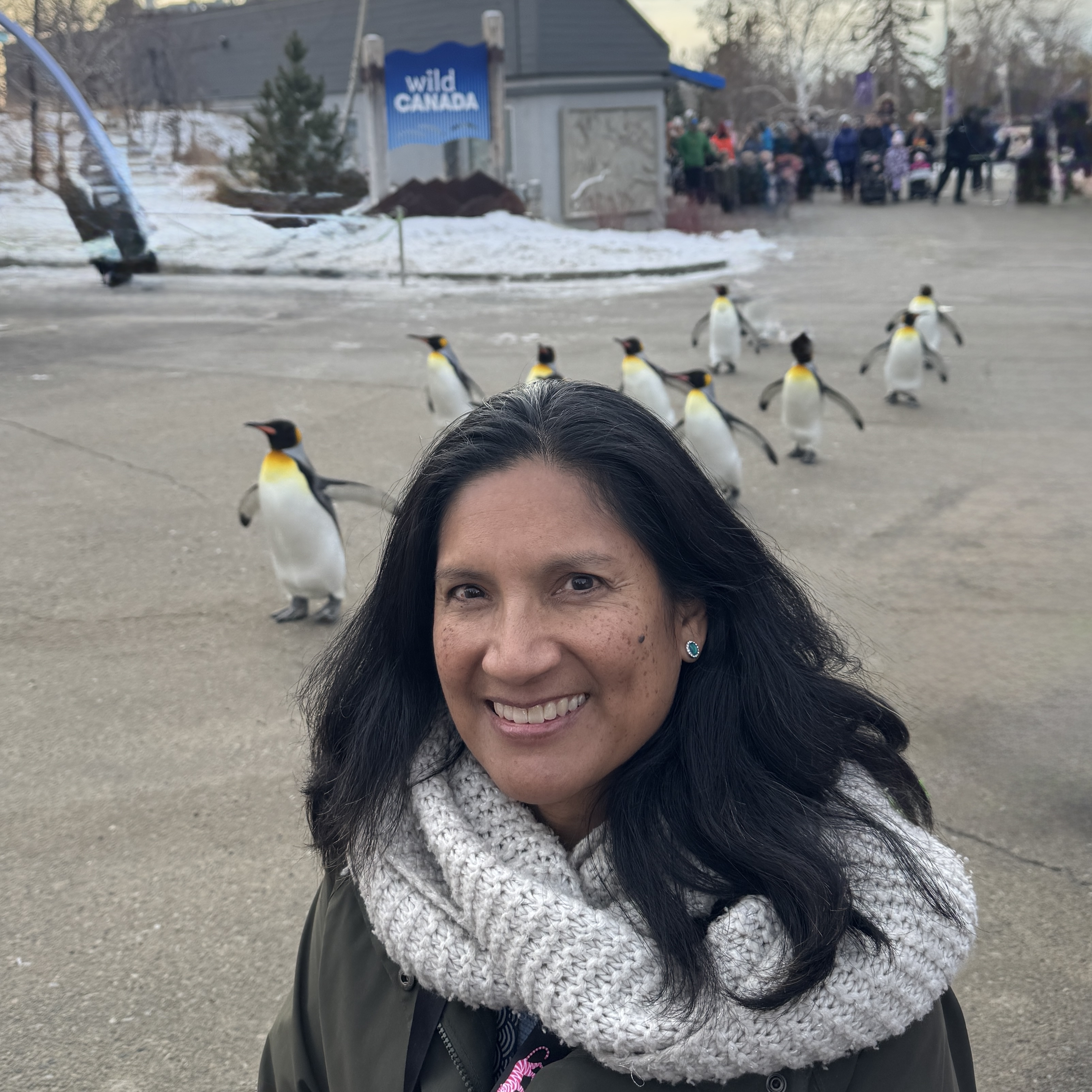
Our organisation is based at an accredited zoo where people can learn about conservation and stewarding the natural world. They can see animals up close, such as the penguins, which exercise in the morning.
What first interested you in conservation as a career? Did you always know that you wanted to work in this field?
No, I don’t think so. Unlike a lot of conservationists who were very outdoorsy as children, that wasn’t my family. Like many immigrant families in Canada, it was always, “If you’re good at science, you’re good at school, you’ll probably be a doctor, right?”
But I did like animals. My second-grade teacher had guinea pigs in the classroom. And when I share my story with, especially with children, I say that that’s where my story began – when the teacher brought the guinea pigs in and I just loved them. That’s how I decided to study zoology at university and make it more of a professional pursuit. I love bird watching now, and I’m really into gardening and nature. I’ve had 20 guinea pigs and I still really love them. A conservation career is a great blend of challenge and caring for the world.
How did you come to this role?
I had a Bachelor of Science in Zoology and Psychology, and a Master’s in Education before coming to DICE for my second Master’s (Master’s in Conservation Biology). By that point, I had worked in conservation education for quite a long time, including more than a decade at the Wildlife Conservation Society (WCS). There, I worked with communities in different countries, with different partners, helping them create their education programmes and resources. Other things I’ve done include working in a learning lab with chickadees, with sea turtles in Costa Rica, and with whooping cranes at the zoo I work at now.
I love learning, so I’d had my eye on DICE for quite a while before I joined the MSc Conservation Biology programme in September 2023. For my current position, they were looking for someone who had a background in both the natural sciences and the social sciences. DICE was very helpful for that. As students we learned natural and social research techniques and how to use R. With my background in social science research, conservation strategy, education, and working with communities internationally, it all really came together as a good background for this position.
What were your highlights from DICE?
Definitely the people, the professors were very kind and knowledgeable and the network of students, from undergraduate to PhD, was also great. I’m still in touch with my cohort. There was such a variety of nationalities, professions and interests, and we really gelled well.
The modules were a highlight too. I especially enjoyed going to Jersey – seeing the work there on red–billed chough reintroduction was really lovely. The dissertation process was very well supported, from choosing a topic to developing the study, there’s excellent support in the programme. I went to Peru for my dissertation with Fund Amazonia and I’m always talking to current DICE students about what it was like, what to expect if they go there for their research. An alumnus who had gone to Peru the year before talked to me about it and that was really helpful, so I want to pay it forward.
I was in the field studying shorebirds and fish, conducting surveys and community interviews. I speak Spanish so I went into people’s homes and sat down with them and talked to them about their fishing practises. Again, it was a nice blend of social science and natural science. And coincidentally, what I’m doing now is looking at sustainable use and livelihoods, and that is directly connected to the work I did for my dissertation. One of the questions I was asked at interview for this role was about the experience I had with this area, so my dissertation work was really helpful for getting this role.
What drew you to DICE?
DICE has a fantastic reputation. A lot of people that I had read about or met at conferences had studied at DICE, as well as some of the leaders I met at WCS. One of my mentors from WCS who I am very inspired by had studied at DICE. Also, for international students, or people who are already quite entrenched in their careers, being able to do a one-year Master’s is a real advantage – to be able to finish all the coursework and a dissertation all in one year.
What was it like being an international student?
I enjoyed the adventure of being an international student. I knew I had this limited time, this one year to really soak up everything. And England is close to other places, so on my days off I’d go travelling around – I went to Paris by myself. Half my cohort were international, and half were British, so the community is great. The University of Kent was very welcoming – I was very impressed with the resources that Kent has, and it was easy to find a place off campus to live.
Do you have any advice for students who either are on the programme or might be thinking about joining it?
Just soak it all up. Any opportunity you get to learn, go for it. Learning the social and human side of conservation is super important. I know a lot of people come from a very traditional science, biology, or zoology background, which is great, but I encourage students to embrace the opportunities to learn about social science tools and the context of their projects. It’s very likely that as conservation professionals they’ll be dealing with people in their various roles.
For people considering the programme, go for it! There’s a wide diversity of students – career switchers and people from a variety of backgrounds passionate about conservation. Conservation has room for everyone! As my grandfather said, “While you’re in university, enjoy being in university”. I’d encourage students to take advantage of the DICE network, societies like the Women in Conversation Canterbury Network, and the opportunities to get involved with the BioBlitz, community garden and additional field work.