The journey in
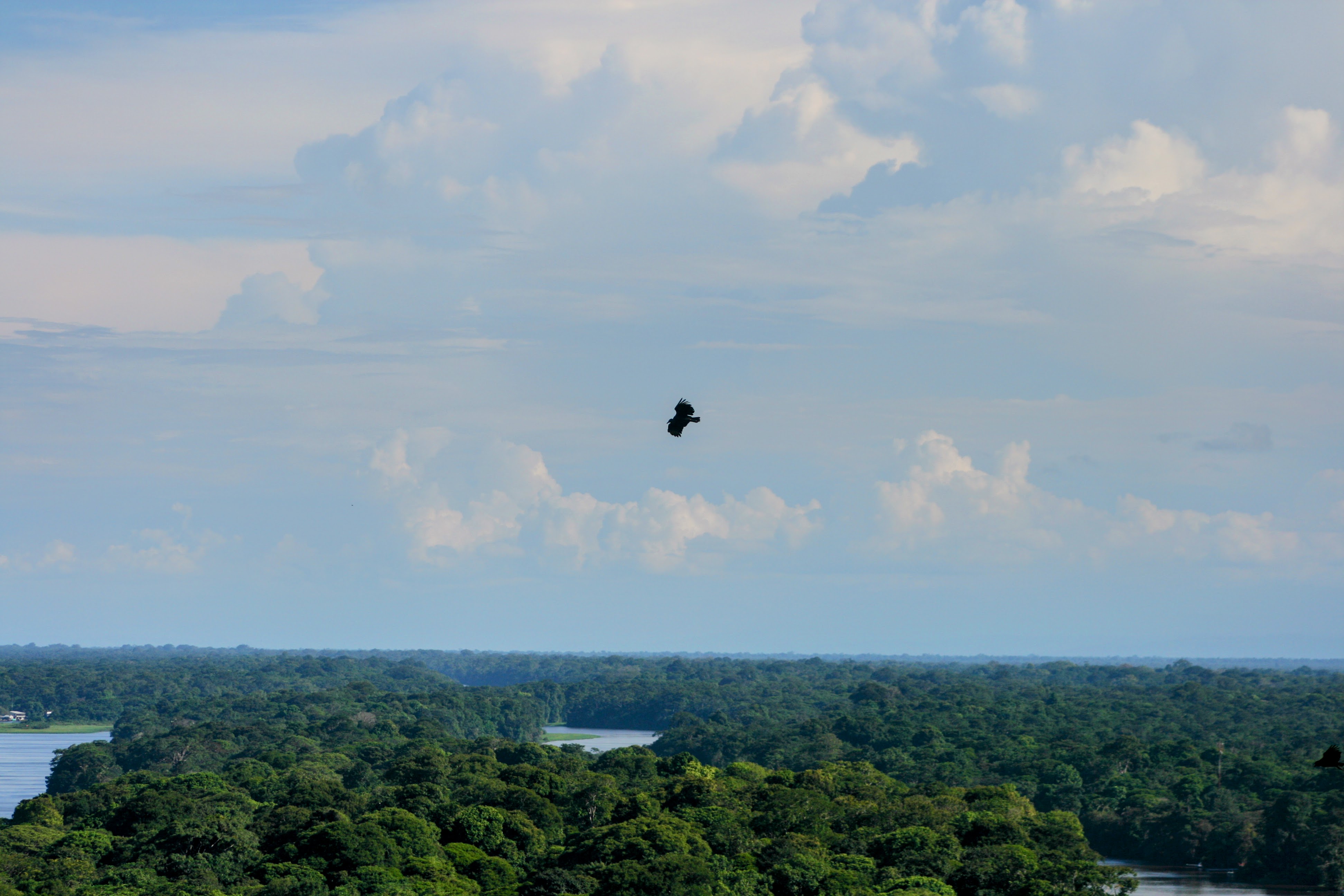
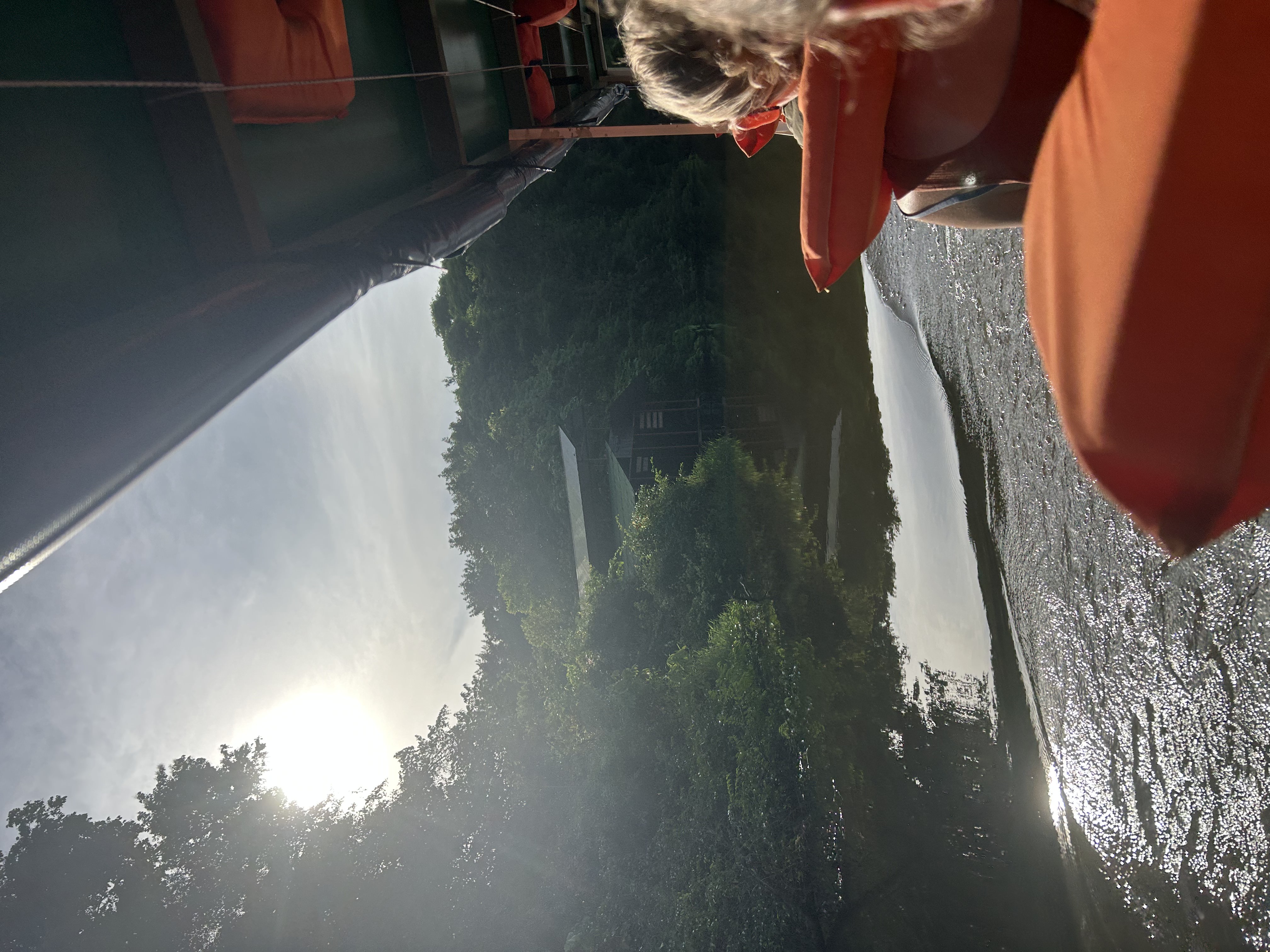
We landed in Costa Rica in the evening after a long but comfortable journey and headed for the hotel in Alajuela to get some well needed rest. After waking up to the sound of parakeets on the roof and admiring the house geckos, we devoured the first of many rice and bean breakfasts and hit the road. After the journey, we said goodbye to civilisation and mobile service and boarded the boat into the jungle. Once we arrived at our field station, we had a short briefing and settled into our rooms. After some minor freak-outs, we eventually came to terms with sharing a living space with huge spiders…and each other!
The station had basic facilities: six bunkbeds in a dorm, a dining area, (slightly patchy!) internet, outdoor toilets, sinks and showers. We had mosquito nets and we were all stocked up on bug spray, so bites were kept to a minimum. The jungle toilets were a particularly intimate experience when it came to wildlife encounters. There was even a tent-making bat in there one night, which was happy to hang around and watch you carefully as you did your business.
Daily life in Costa Rica
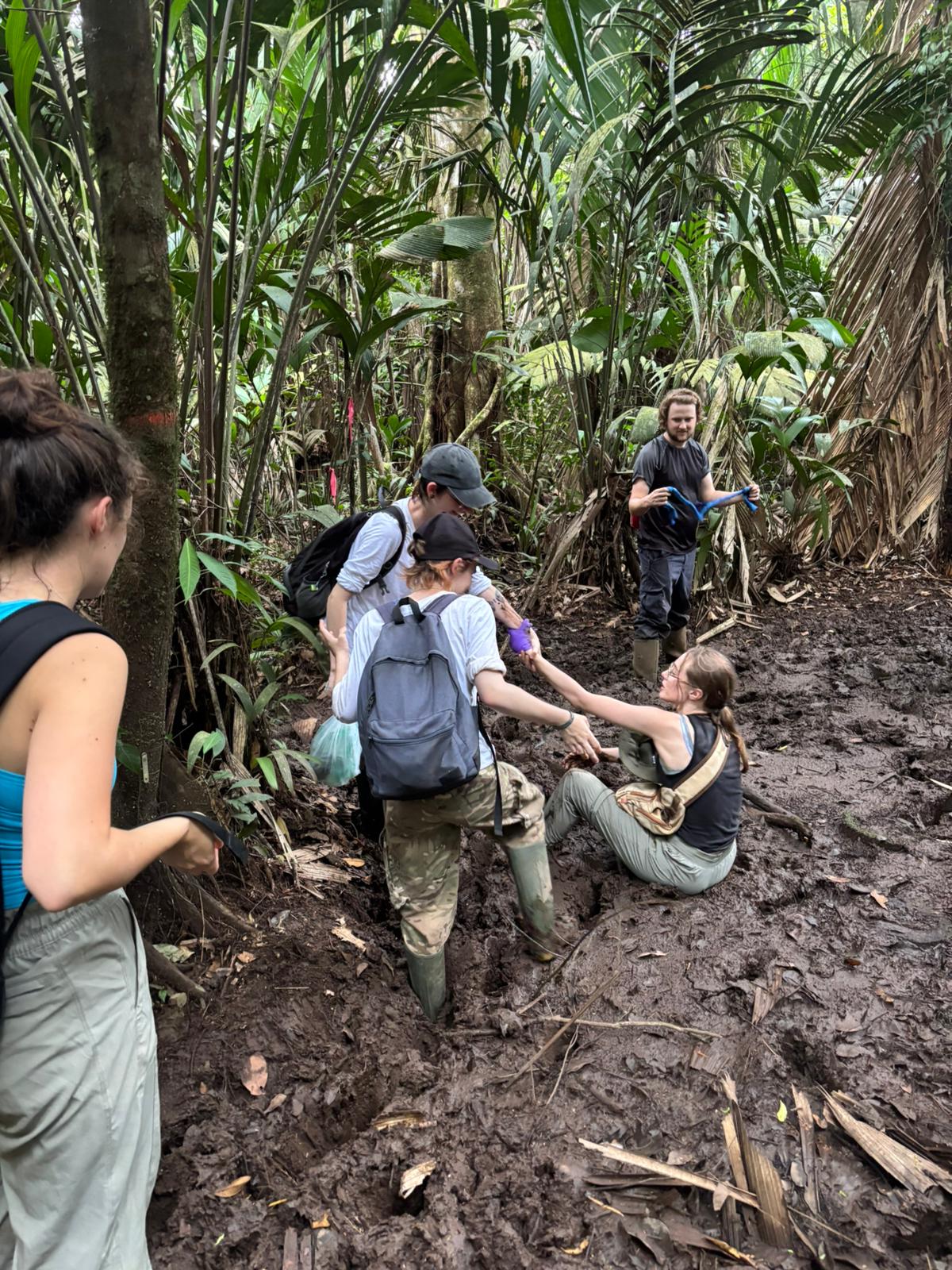
On the first morning, we carried out our fieldwork in groups, some heading to the beach and others into the deep forest. We quickly realised that being knee-deep in mud was inevitable as we set out our dung samples and leaf-litter plots to assess the rate of nutrient-cycling. During this task, I reached for a hand out of the mud with my contaminated glove and unknowingly covered another student in pig excrement. Luckily, they saw the funny side, nothing a shower can’t resolve I say!
In the evening, we learnt about the importance of turtle conservation, watched the monkeys from the boat dock, and saw a survey demonstration before getting an early night, ready for a 5am start after breakfast.
Over the next few days, we cycled through the surveys and monitoring programmes done regularly at our host field site. This was by far the most insightful and exciting part of the trip, since we got the opportunity to learn hands-on conservation methods, whilst contributing to long-term datasets and protecting local wildlife populations. During these activities, the team at the station were very patient with us, considering we were not used to the early starts, labour-intensive work and high temperatures. They taught us survey protocol, showed us how to use the equipment and answered our endless questions about their research!
The surveys
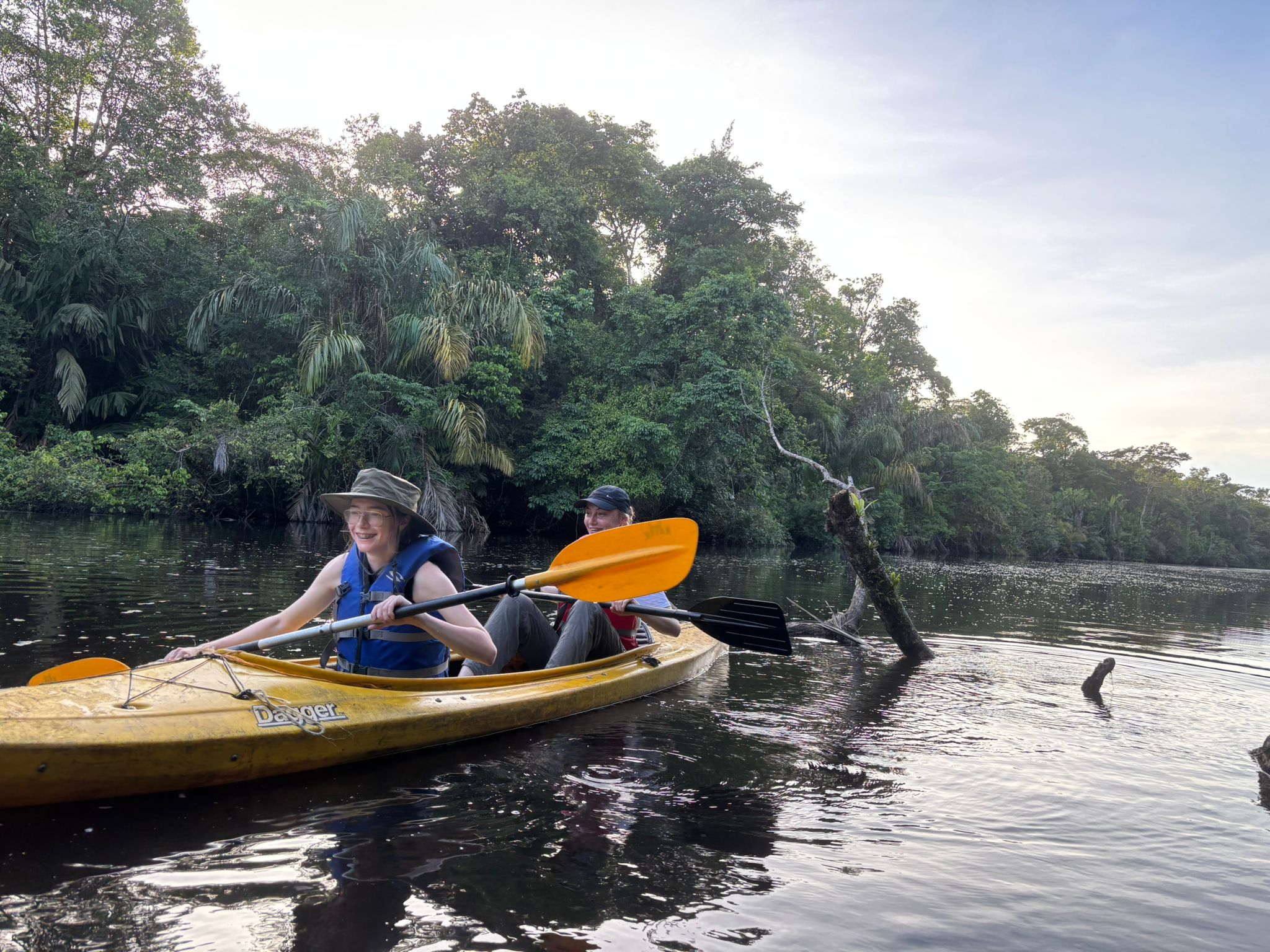
On a macaw survey, my group sat at the boat dock and recorded the number of individuals, behaviour and direction of flight for great green macaws and scarlet macaws. This helps monitor populations and distribution patterns of the two species, which are threatened by logging activity and illegal capture for the pet trade.
We also participated in caiman surveys, which involved a late-night boat trip along the canal, torches in hand, searching for their orange-yellow eyes, made visible through their reflective properties. Once we spotted a caiman, and there were plenty of them, we moved closer and noted down its age and location using a gps system.
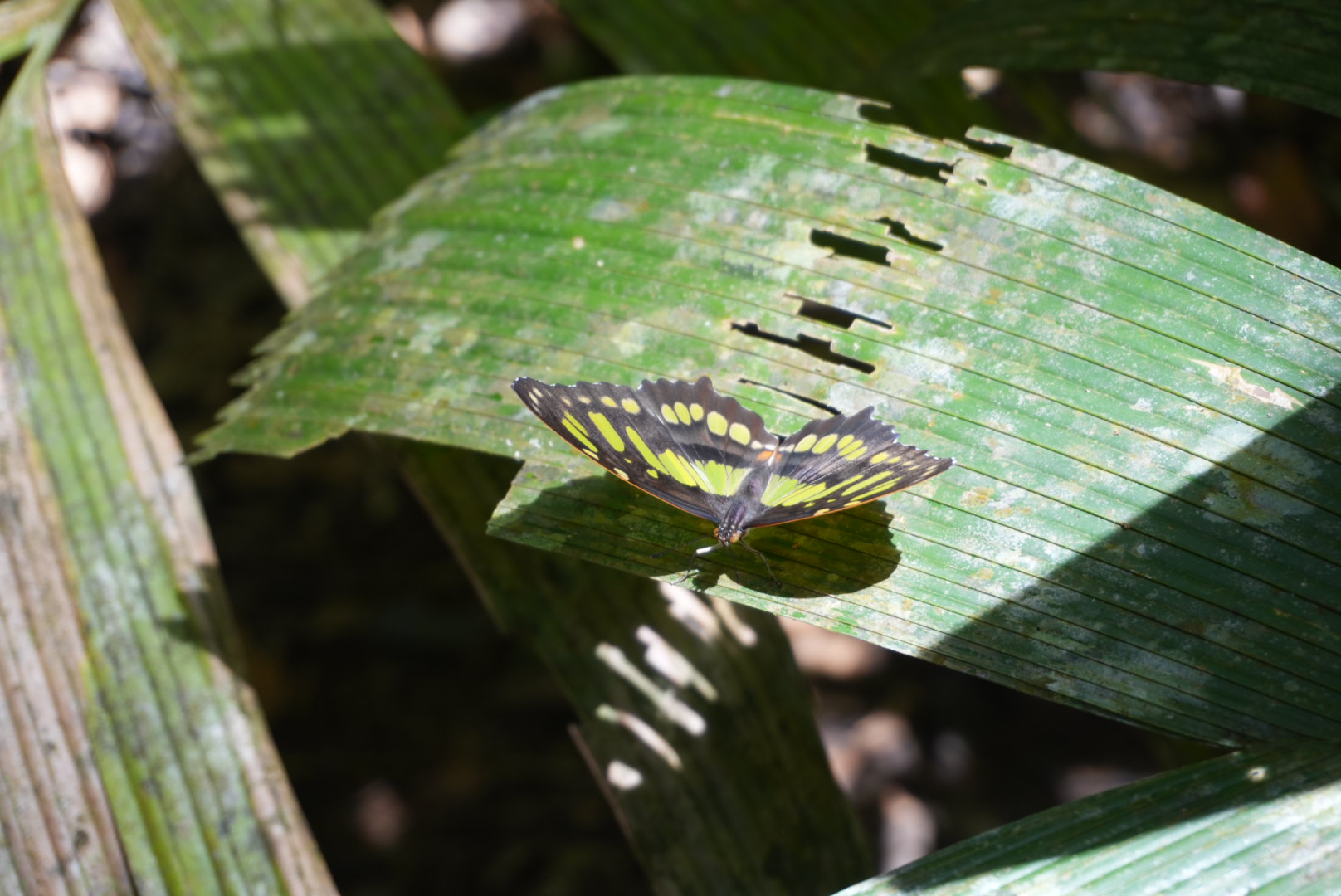
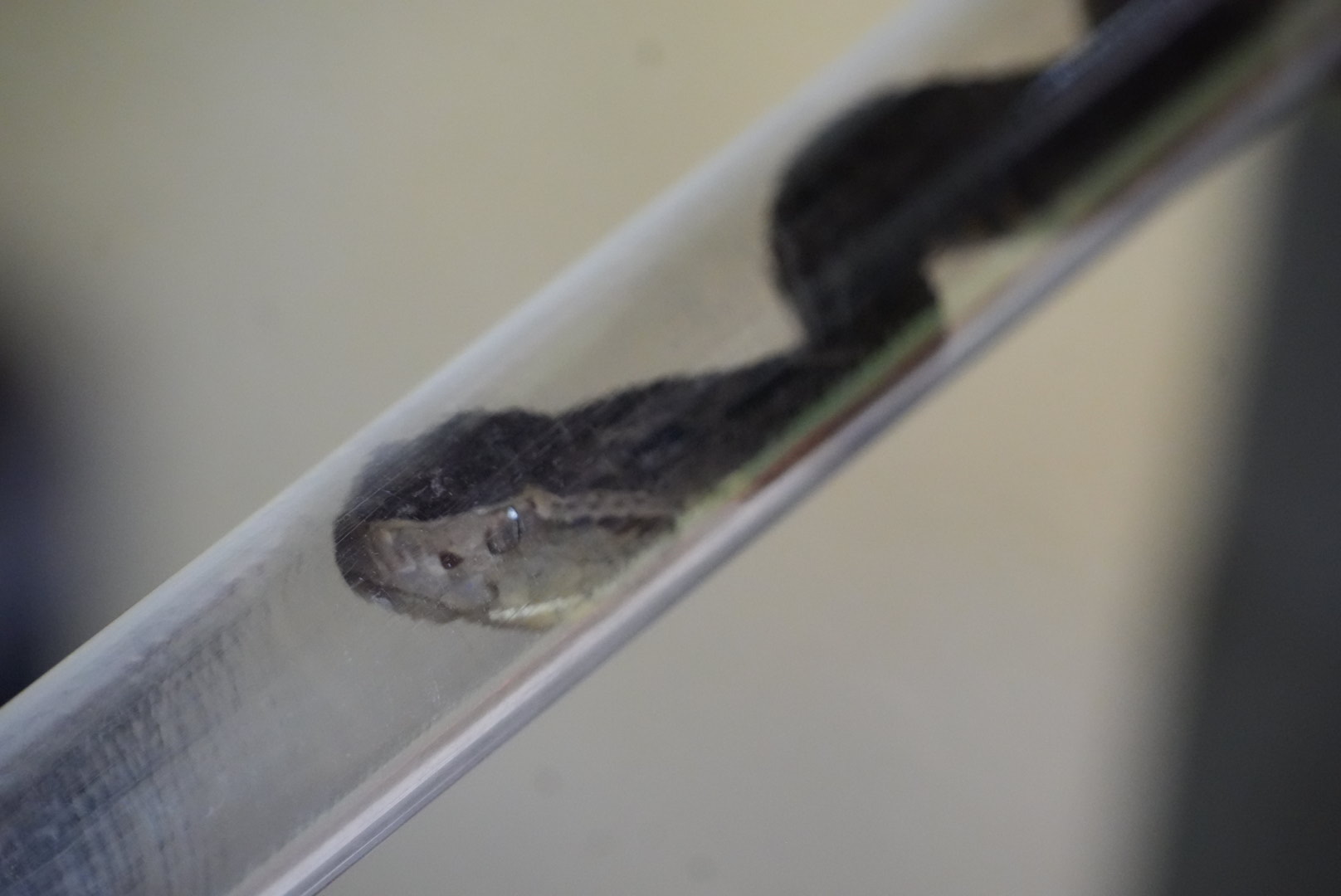
Other activities at the station included mammal tracking, otter surveying, snake processing, setting up butterfly nets for species identification, and forest plot surveys to measure carbon storage systems. We were lucky enough to encounter both a fer de lance and a coral snake, two of the deadliest snakes in Costa Rica, and watch them being processed by the team. In the evenings, some of us went on night walks to see what nocturnal species were lurking in the understory. We managed to find lots of amphibians, arachnids and other invertebrates on these little adventures. One of my classmates was particularly spooked by a small rodent which jumped out of a log, despite it being the least dangerous creature we had encountered that night!
Marine turtle work
At the beach, we got involved in lots of work to help protect and monitor green sea turtles which are threatened by poaching and dog predation. These activities are carried out discretely by surveyors, often wearing all black and avoiding the use of light to prevent exposing the location of turtle nests. We conducted an overnight survey by walking the 3-mile beach transect in the pitch-black searching for nesting sea turtles. When encountering a turtle, we collected data on her activity including the location of the nest, egg count, body measurements and her ID number found on tags. We then covered up her tracks and body pit (crater dug by nesting turtles) and watched her safely return to the ocean.
We also conducted a morning census to record data on successfully hatched nests and cover up any tracks left by the night patrol. During this survey we found evidence of poaching activity and recorded the number of eggs destroyed in predation events.
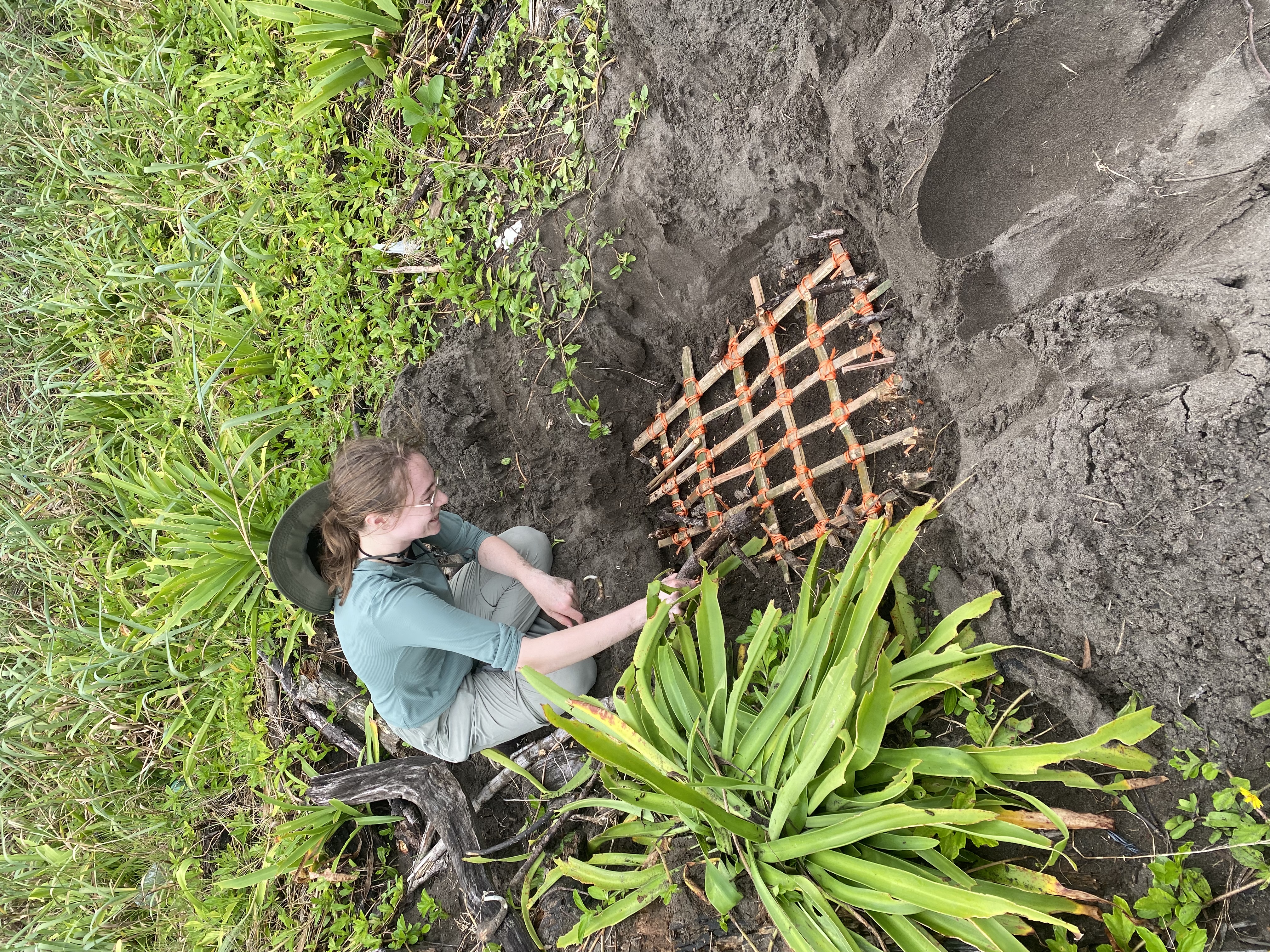
However, it wasn’t all doom and gloom as we also performed a nest excavation on the new nests marked by the night team. This involved laying bamboo mesh just above the egg chamber to protect it from dogs, a method that has proved successful in the past. The turtle surveys were by far the most rewarding, but you can expect to find sand in every orifice afterwards. That 3am shower after the night survey is glorious!
Exploring Costa Rica
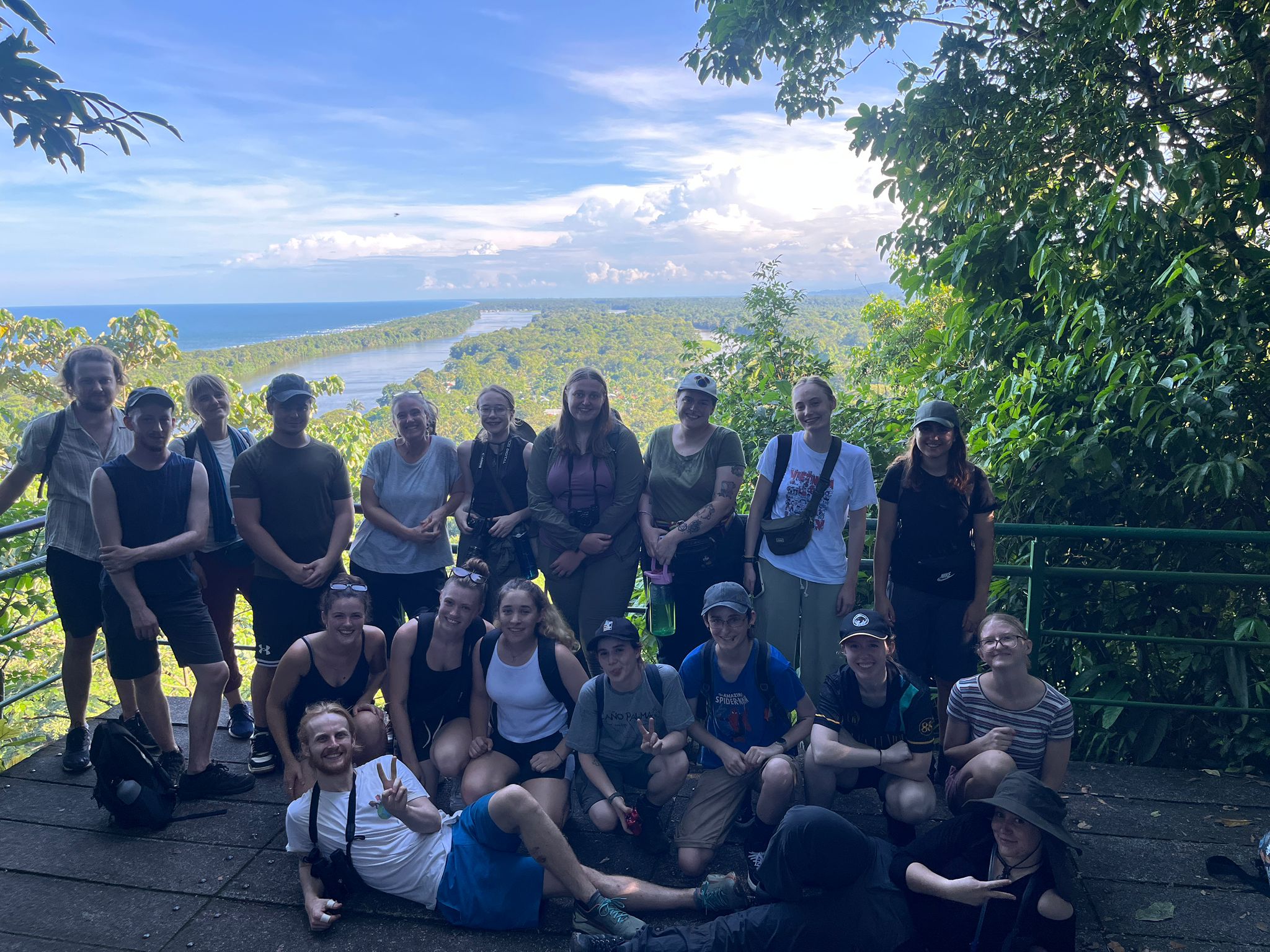
We had the chance to explore more of what Costa Rica had to offer outside of the field station too! We went to the local supermarket, where we all opted for a nice cold ice cream and purchased some snacks to bring back. We visited the local community and walked about 400 steps up to the summit of Cerro, an extinct volcano. The day we left our home away from home at the field site, we looked around a banana plantation to understand tropical agricultural systems and their impacts on biodiversity. That night, we stayed in a beautiful hotel with warm showers, air conditioning and a swimming pool!
Well rested with pancake-filled bellies, we headed off to go snorkelling in Cahuita National Park. After that, we went for a walk around the national park with an enthusiastic tour guide who showed us everything from snakes to sleeping sloths! In the evening, we drove back to Alajuela, had one last meal as a group and spent some time writing in our field notebooks before going to sleep. Since our flight was in the evening, we spent our final day exploring Alejuela’s markets, shops and cafes before getting the plane home.
Final reflections
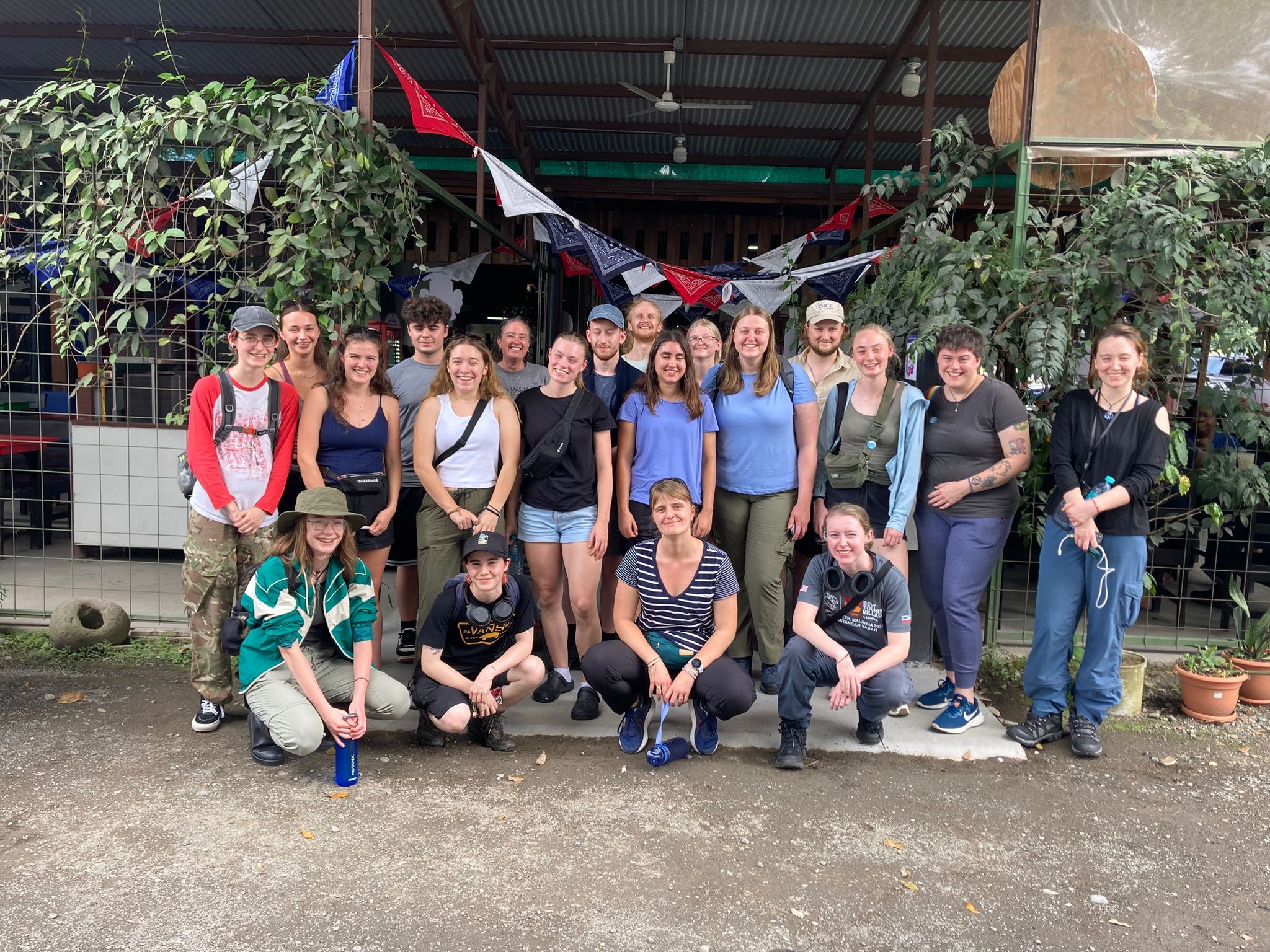
Not only did this trip teach me so much about conservation, community and culture but it also taught me about the things I take for granted, like a cuppa with non-powdered milk (the powdered variety was a staple at the field site!) I made some beautiful connections with the people I shared this experience with and a big part of that is because, as DICE students, we are all very committed to saving the planet and protecting wildlife.
_
Thank you for sharing your experiences, Hazel! For more about studying Ecology and Conservation at DICE, visit the course page.