Hi Baptiste, thanks for being an Alumni Spotlight! What have you been up to since you graduated from your masters at DICE?
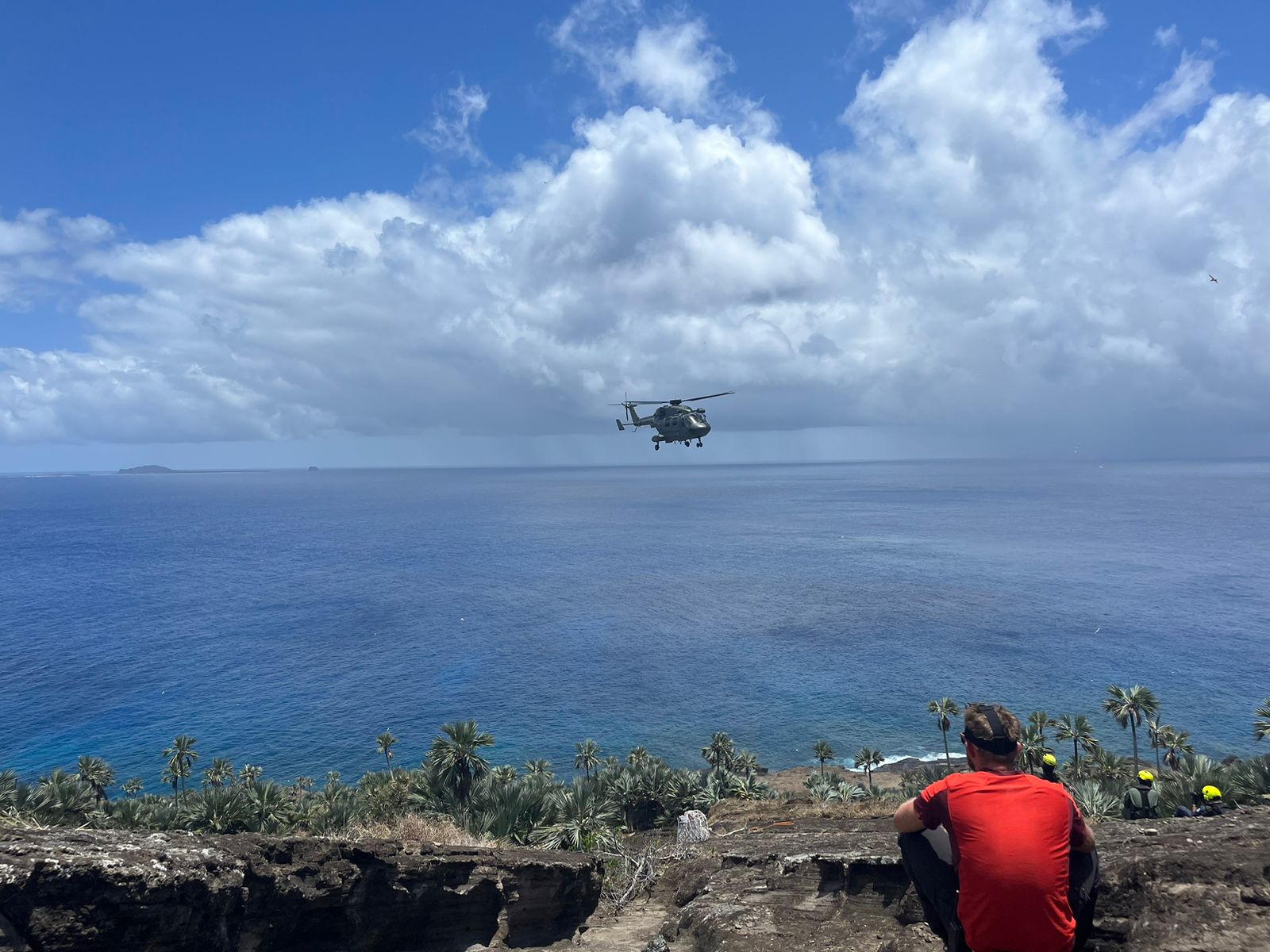
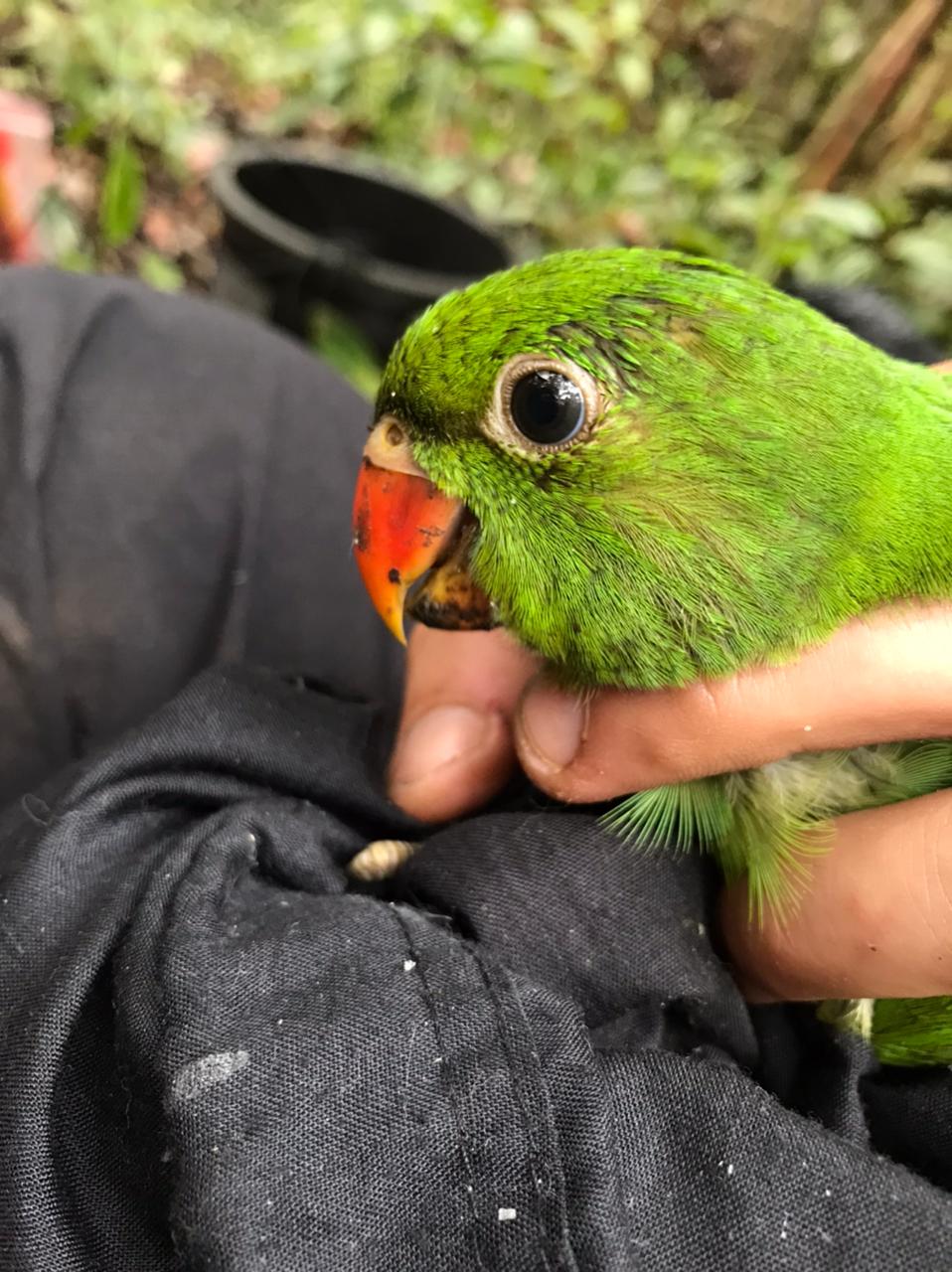
I graduated from a Master’s degree in conservation biology at DICE in 2021. Since then, I have been lucky enough to work in Mauritius for the past four years. For the first six months, I was volunteering with the Mauritian Wildlife Foundation. The team I was working for monitored the Echo parakeet, a recovering endemic species of Mauritius. Then, following that, I had the chance to be hired by the Mauritian Wildlife Foundation, this time as a conservation biologist/warden. I was tasked to lead the team on the restoration and protection of the entire ecosystem of Round Island, an offshore island north of Mauritius. I had a multifaceted job involving seabirds, reptiles with nocturnal and diurnal surveys, flora and forest restoration and soil erosion monitoring. As well as the biological side of the job, I also did all the logistics, security and organisation that comes with living on Round Island for several weeks at a time with the team. So that is what I have been up to and I ended up being the Senior Biologist for Round Island.
Can you tell us more about your work on Round Island?
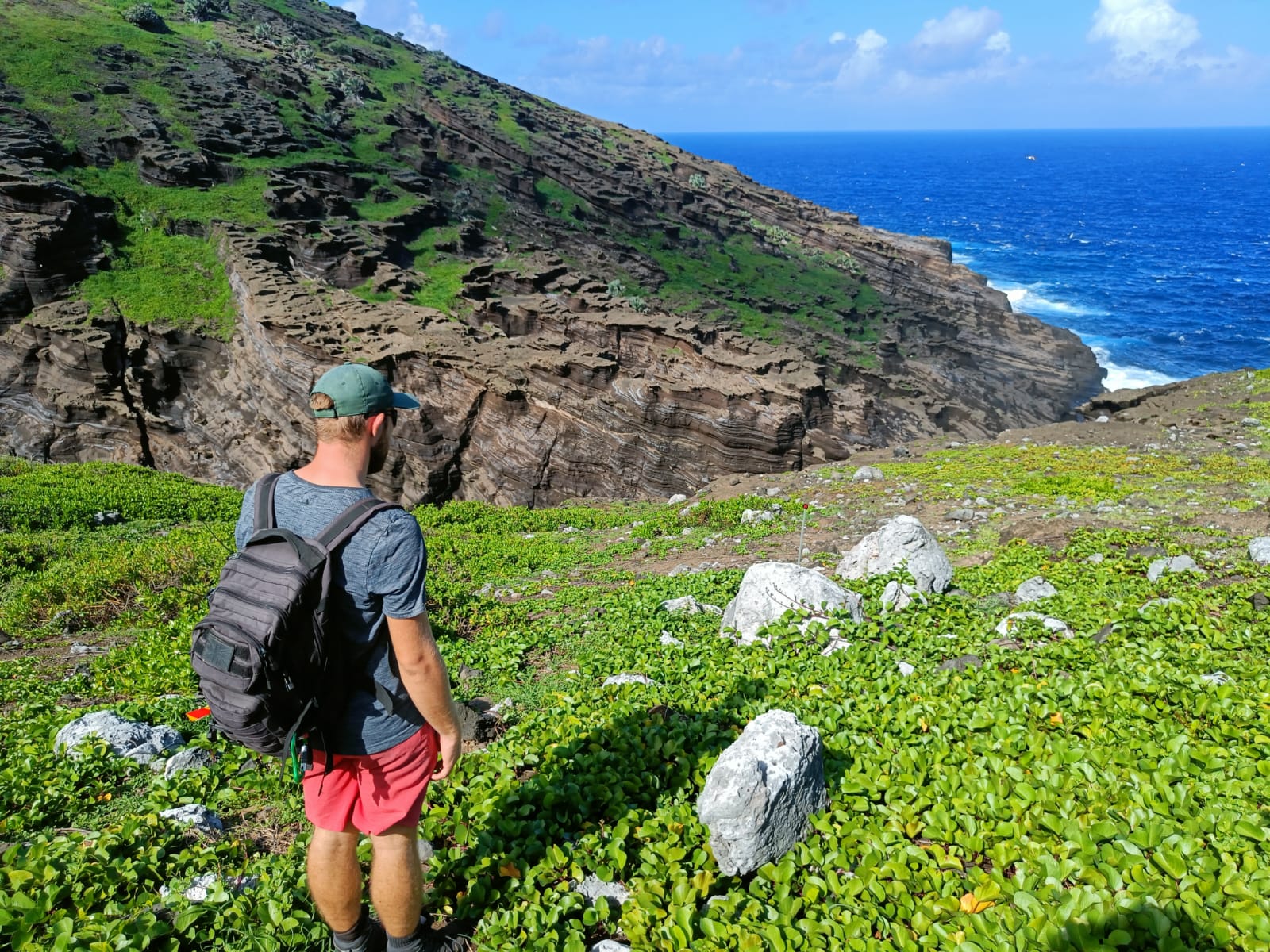
What I really enjoyed specifically in the last year and half on Round Island was the diversity of my work. My day could start with seabird monitoring, where we would catch and ring birds as a team. Then, the afternoon would be more relaxed, taking care of the plant nursery, and then back at night doing a reptile survey, trying to catch snakes to monitor the population
I also really enjoyed when we had external researchers or PhD students as we could share knowledge and learn from their field skills. Another aspect I loved, which is often overlooked, was all the logistics, organisation and preparation that come with a conservation project, especially when you are working on a island for several weeks at a time. So during my time, for example, we built a new field station, new fences to protect endangered and endemic plants against tortoises, designed a ladder system to access the top of an endemic palm to perform hand pollination, etc. The diversity of my job was really what made it interesting to me.
Can you share an anecdote from the field?
One of my fun anecdotes has to be the giant Aldabra tortoise morphometric survey, which we would do two to three times a year. It was always great fun and a good opportunity for team bonding because it really takes a full team to safely handle the tortoises. The biggest one we caught was 137kgs, which took quite a lot of effort and coordination to process but is always great fun!

What did your time at DICE teach you?
After graduating from DICE with my master’s degree, I felt ready to take on a career in conservation, not just because the quality of the education and the diversity of modules, but also the diversity of lecturers and their backgrounds. I remember the lectures always being linked to real-life field conservation with key examples from the lecturers themselves. For me, this highlighted the fact that conservation work is happening all around the world with each project having its own local challenges to overcome in order to be successful. All the knowledge and examples from lecturers made me feel ready to apply them to my career.
Do you have a favourite memory from your time at DICE?
My favourite memory at DICE is a bit different as I was there during the COVID pandemic, so 90% of my classes were held online. What I remember and really appreciate is the sense of community within my class, with the lecturers as well. We took the opportunities we had to meet in person, by going on a walk in Blean woods or organising the first BioBlitz!
What advice would you give to a conservation graduate?
Some advice from me would be to keep an open mind. There are projects around the world happening, people from different universities and countries with different backgrounds to conservation. I have worked with people in Mauritius that did not have a degree; they were in the field because they loved the outdoors and it was very interesting to work with them as they had a completely different perspective on conservation action, challenges and methods to succeed.
There are so many projects with so many species, different ecosystems, it is impossible to be an expert in everything. So, I decided to spend my career as a never-ending learner as I am full of curiosity. That’s the advice I would give anyone graduating soon and who wants to have a career in conservation, be curious and go for it.
Thanks for sharing your stories, Baptiste. Good luck with your continued success in your career!