Lead and co-authored by DICE staff, students and honorary associates Dr J.C. Fisher, Dr G.E. Austen, S.G. Aizlewood, Dr H.A. Jackson and Professor Z.G. Davies, the paper was published last month in Nature Ecology & Evolution. Read on for details of the paper and its findings.
The study found that nature benefits human health and wellbeing. But research suggests that some groups benefit more than others, such as those from socio-economically deprived backgrounds, due to a higher baseline prevalence of health conditions amongst other structural issues.
There are now national and international policies calling for equal access to green space, for example that everyone should live within 15 minutes of a green space. But this study found that it is the biodiversity within the green spaces that is key to delivering wellbeing benefits to people.
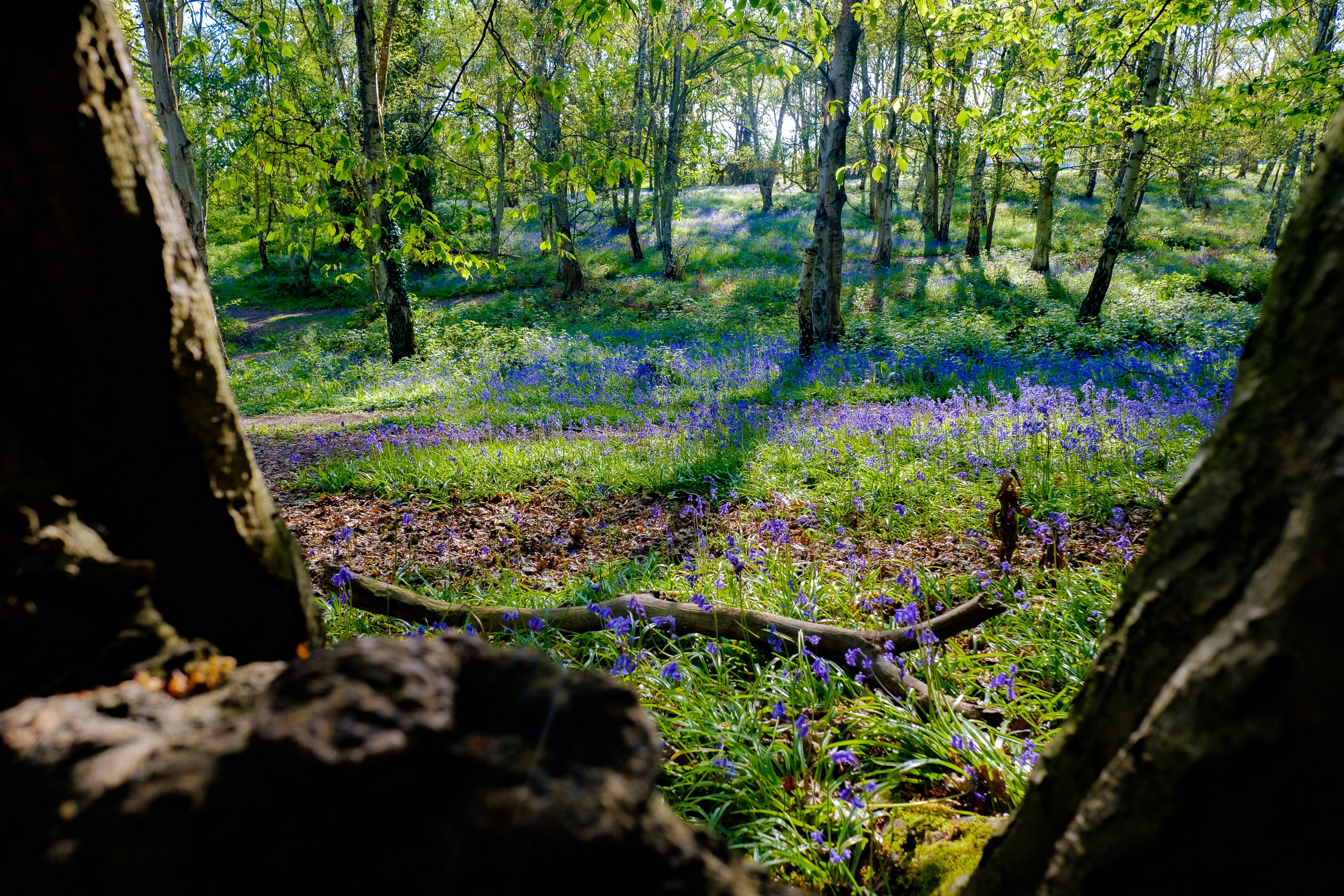
The study examined what wellbeing gains could be derived from the biodiversity in woodlands and forests specifically, across England and Wales and in each of the four seasons. They then looked at how this related to levels of socioeconomic deprivation across the two countries.
The findings showed that people respond to different species’ traits, such as various sounds, smells, colours, textures, behaviours, through the different senses. The vast majority of these traits have positive impacts on wellbeing, although some are negative.
The study uncovered lots of variation in where you could find woodlands with the potential to be beneficial for people’s wellbeing. For example, the southeast of England has very species-rich woodlands, while counties like Lincolnshire have far less wellbeing boosting biodiversity. They also found that, in general, areas with higher levels of deprivation had woodlands with much lower levels of species traits that are good for wellbeing. This means that interventions that seek to improve biodiversity for people need to consider the ‘who’, ‘when’, and ‘where’ carefully, ensuring that the opportunities to be gained from biodiversity in green spaces are distributed equal across society.
You can read more about the study in the Woodland Trust’s newly released ‘State of the UK’s Woods and Trees 2025’ report.
Or explore the study in biodiversity and wellbeing section of their interactive storymap.