Stained Glass: Light, Craft, and Conservation

MSc Architectural Conservation student Katherine Murphy reflects on her growing fascination with stained glass:

‘I’ve always been fascinated by stained glass. Not just for the art or the stories it tells, but also for the impact it can have on a space and the quality of light it creates.

The Architectural Conservation course at Kent has given me a fantastic opportunity to explore this interest in greater depth. A series of field trips has allowed me to experience a wide range of stained glass, from medieval windows at Canterbury Cathedral to twentieth-century works such as the beautiful Dunkirk window at St George’s Church.

These experiences have been inspiring and have prompted me to consider this area of conservation as a possible focus for my dissertation, with a particular emphasis on twentieth-century stained glass.

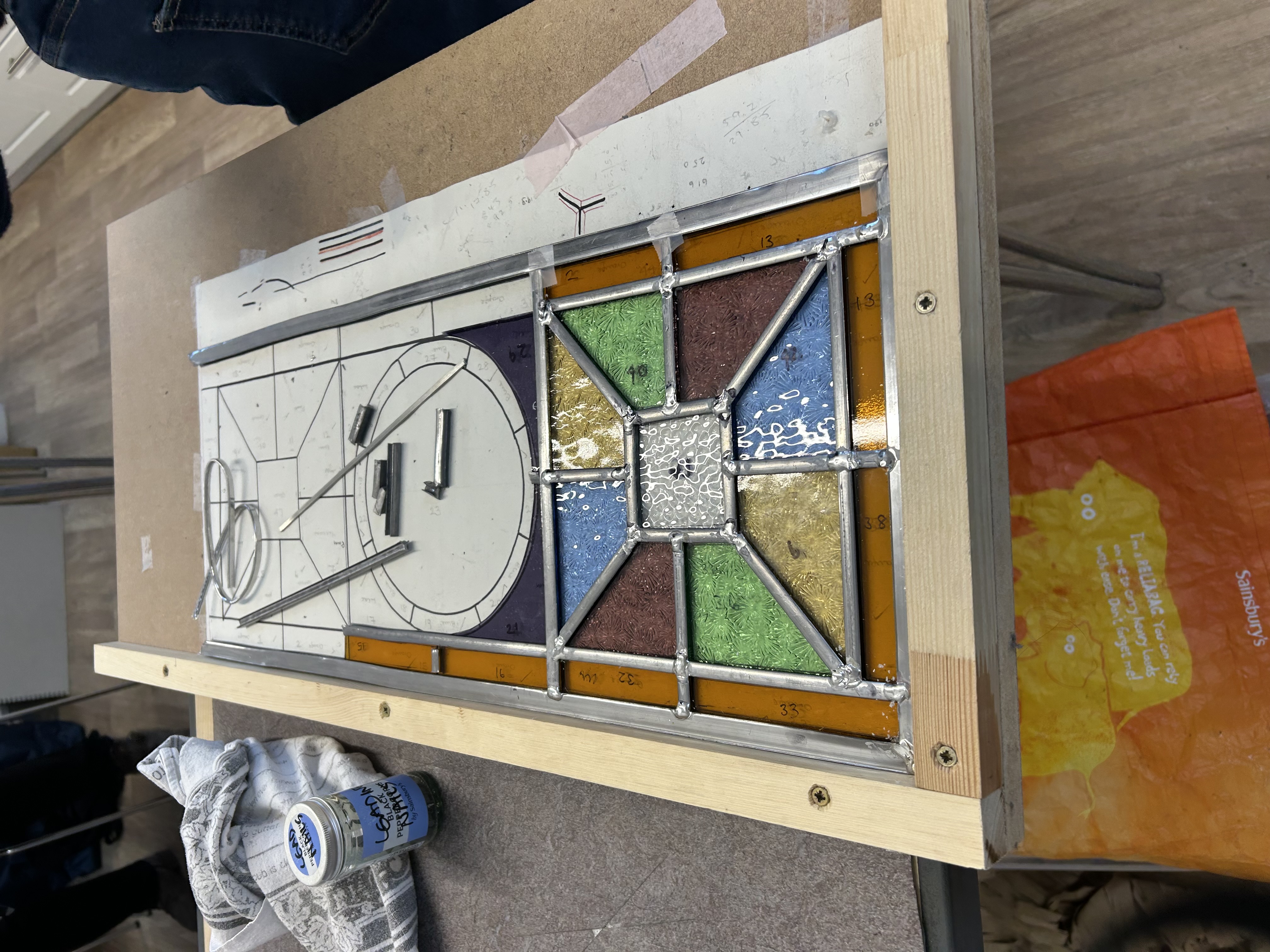
Alongside this, I’ve also been inspired to try stained glass myself. I’m currently working on a panel for my front door to replace a lost Victorian original, and the precision and skill required have given me an even greater appreciation of the craftsmanship involved in these historic windows.’
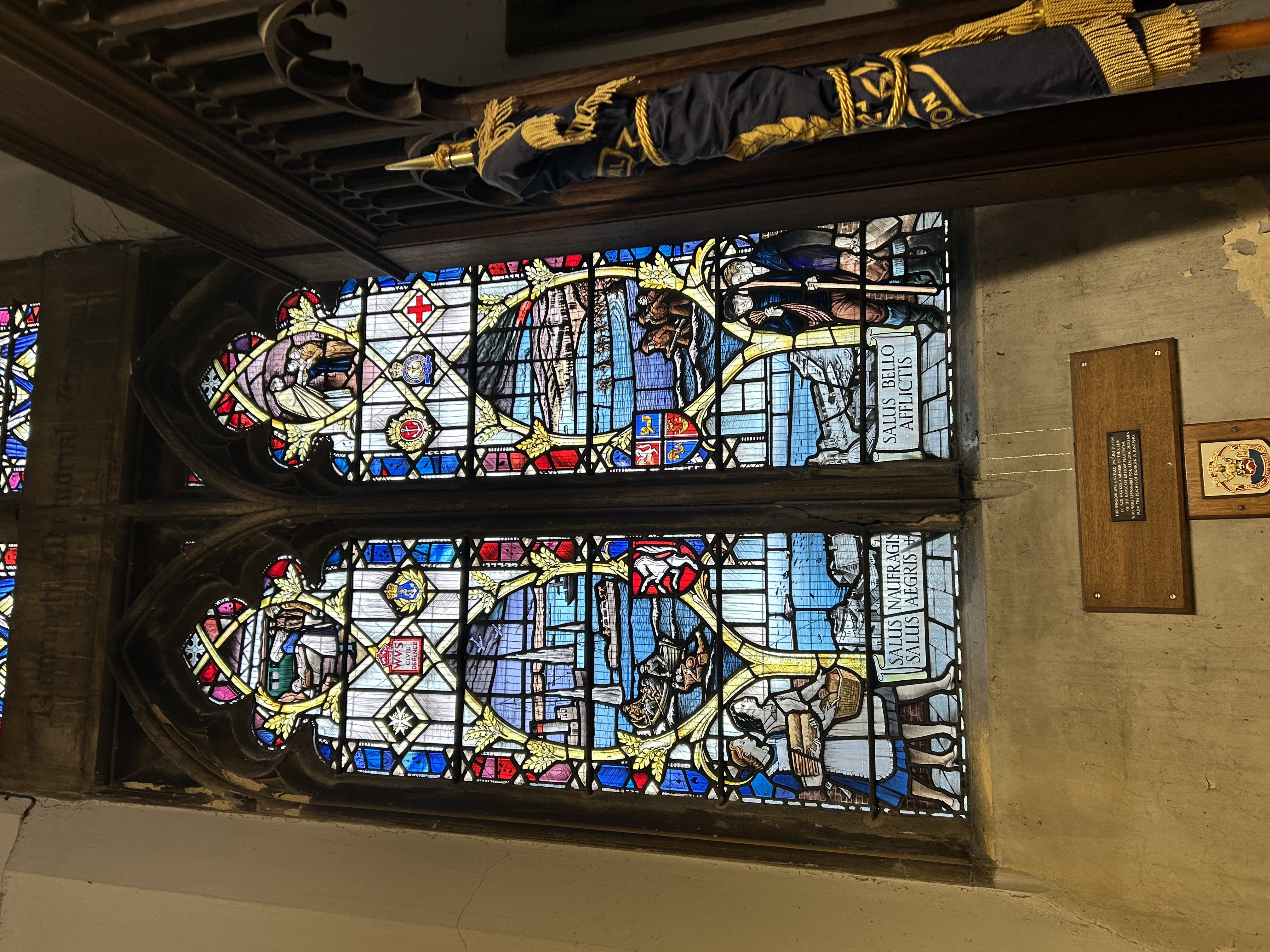
St. George’s Ramsgate, Dunkirk Window
Katherine Murphy, Reconstruction of Stain Glass for a Victorian House


A Rare Tour of Canterbury Cathedral with a Focus on Recent Conservation

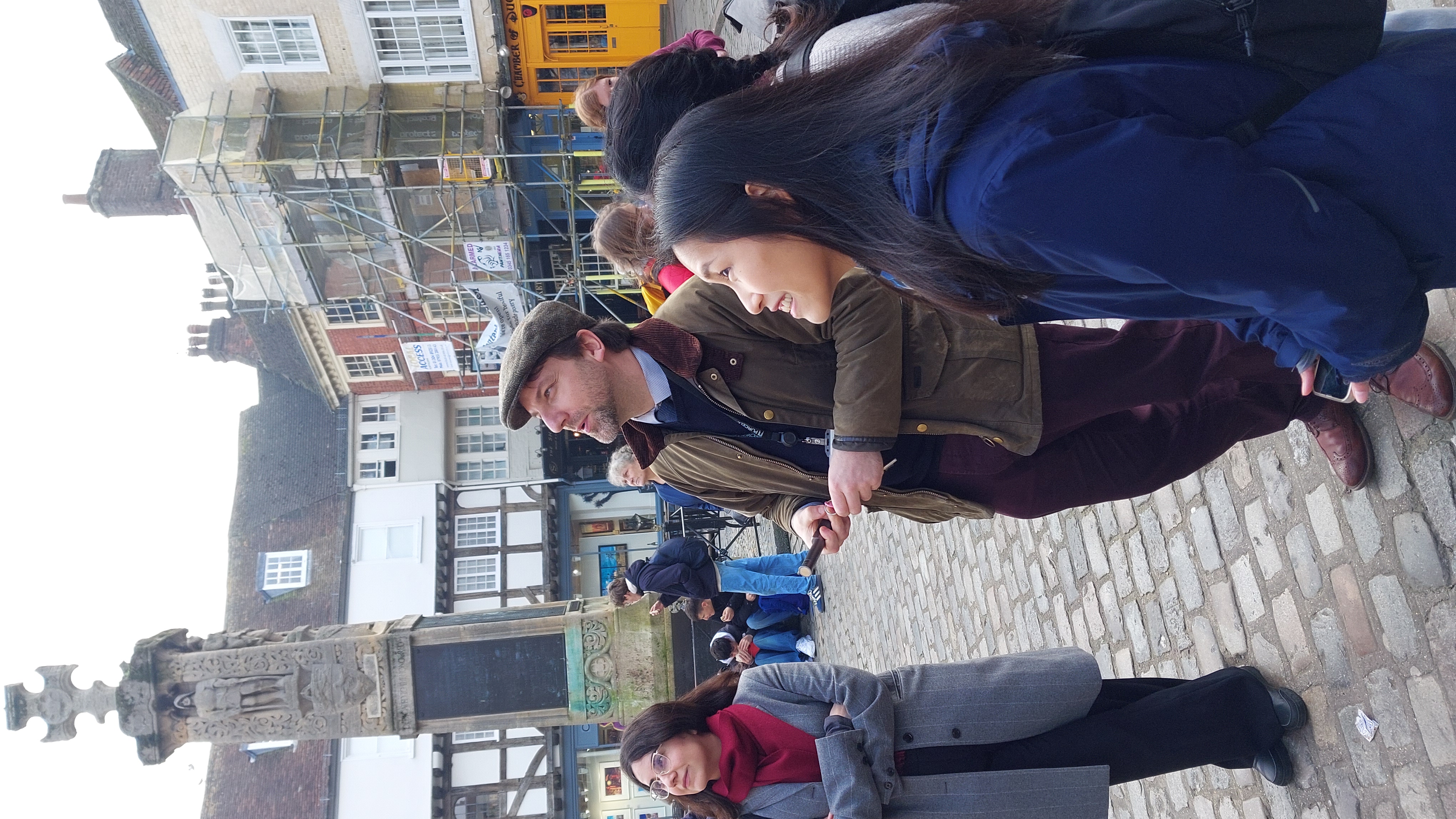
Last week, the MSc students in Architectural Conservation were granted an extraordinary behind-the-scenes tour of Canterbury Cathedral, led by Jonathan Deeming, Partner at Purcell Architects and surveyor of the fabric of the Cathedral. The visit offered a rare insight into the meticulous conservation work that keeps this historic masterpiece standing.

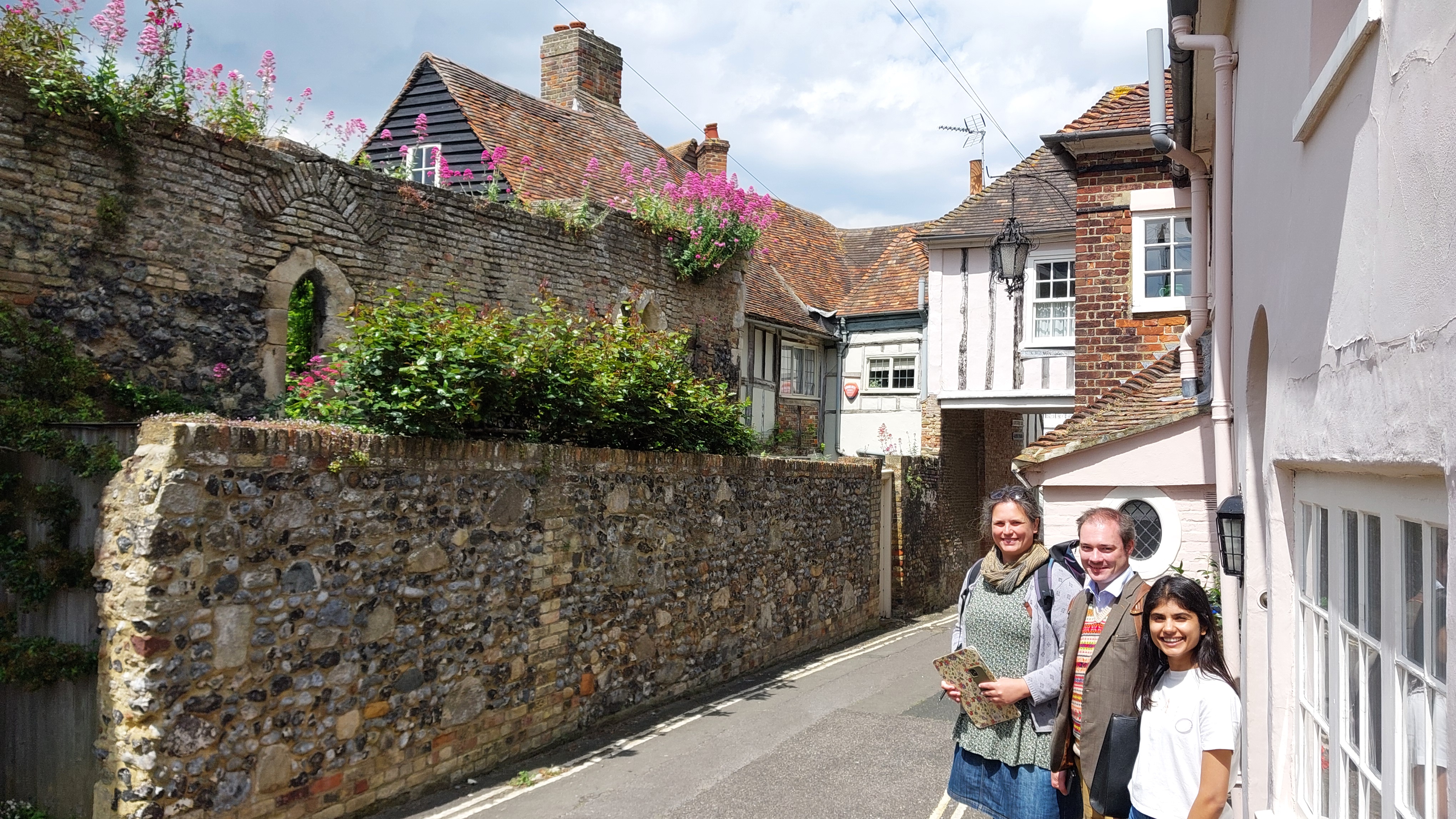
Surveyor of the Fabric Jonathan Deeming, Doctoral Candidate Dlara Naqi and students of the MSc in Architectural Conservation inspecting work on the Cathedral Gate

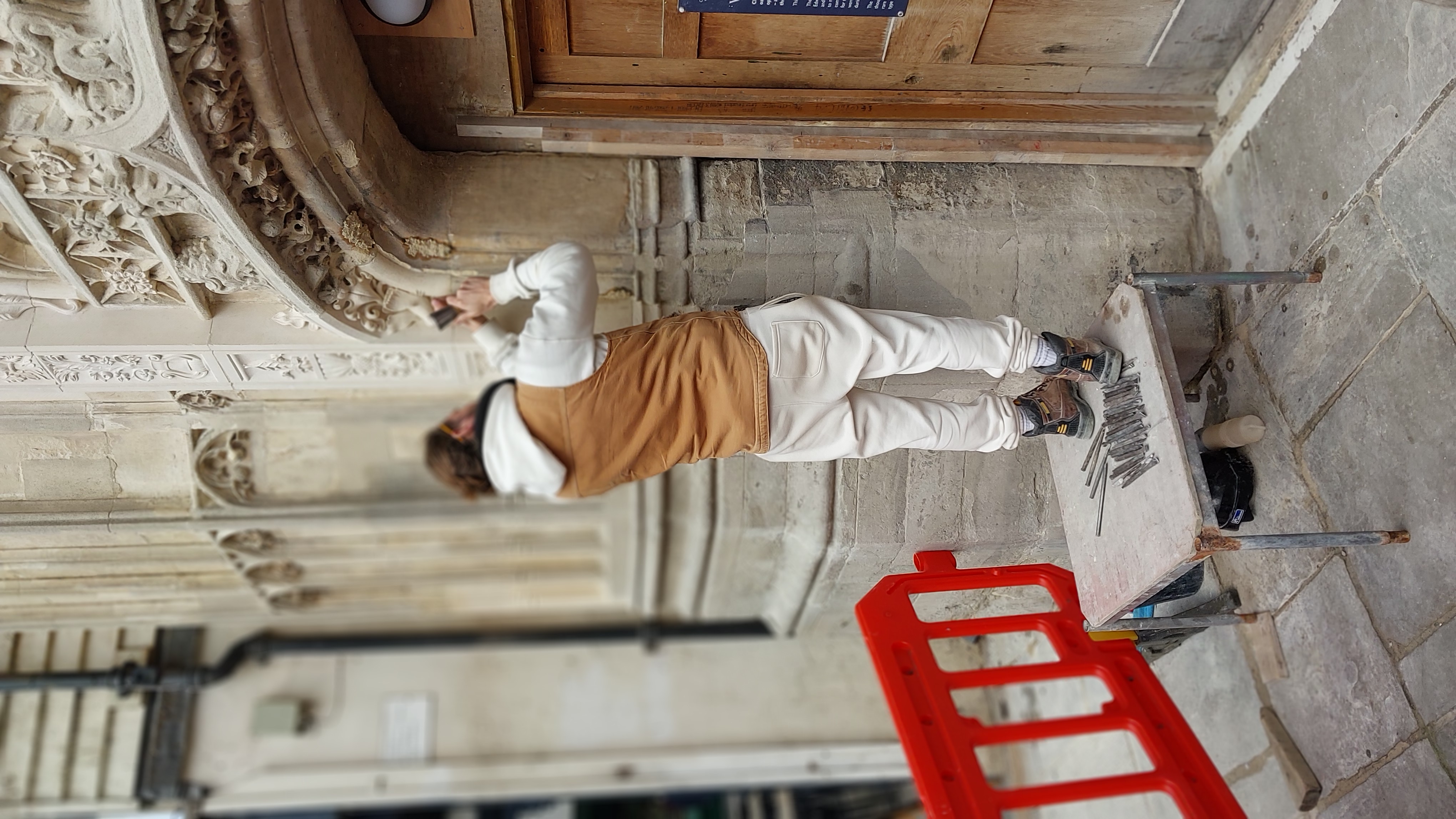
Our journey began at the cathedral’s gate, where newly restored stonework with delicate relief decoration sits alongside carefully preserved earlier fabric, including early 20th-century plastic repairs. The masons demonstrated the final stages of sculptural work, explaining how stone selection, carving, and cleaning methods are tailored to harmonize with centuries of accumulated layers.

A living monument: finalising the restored relief decoration of the Cathedral Gate.

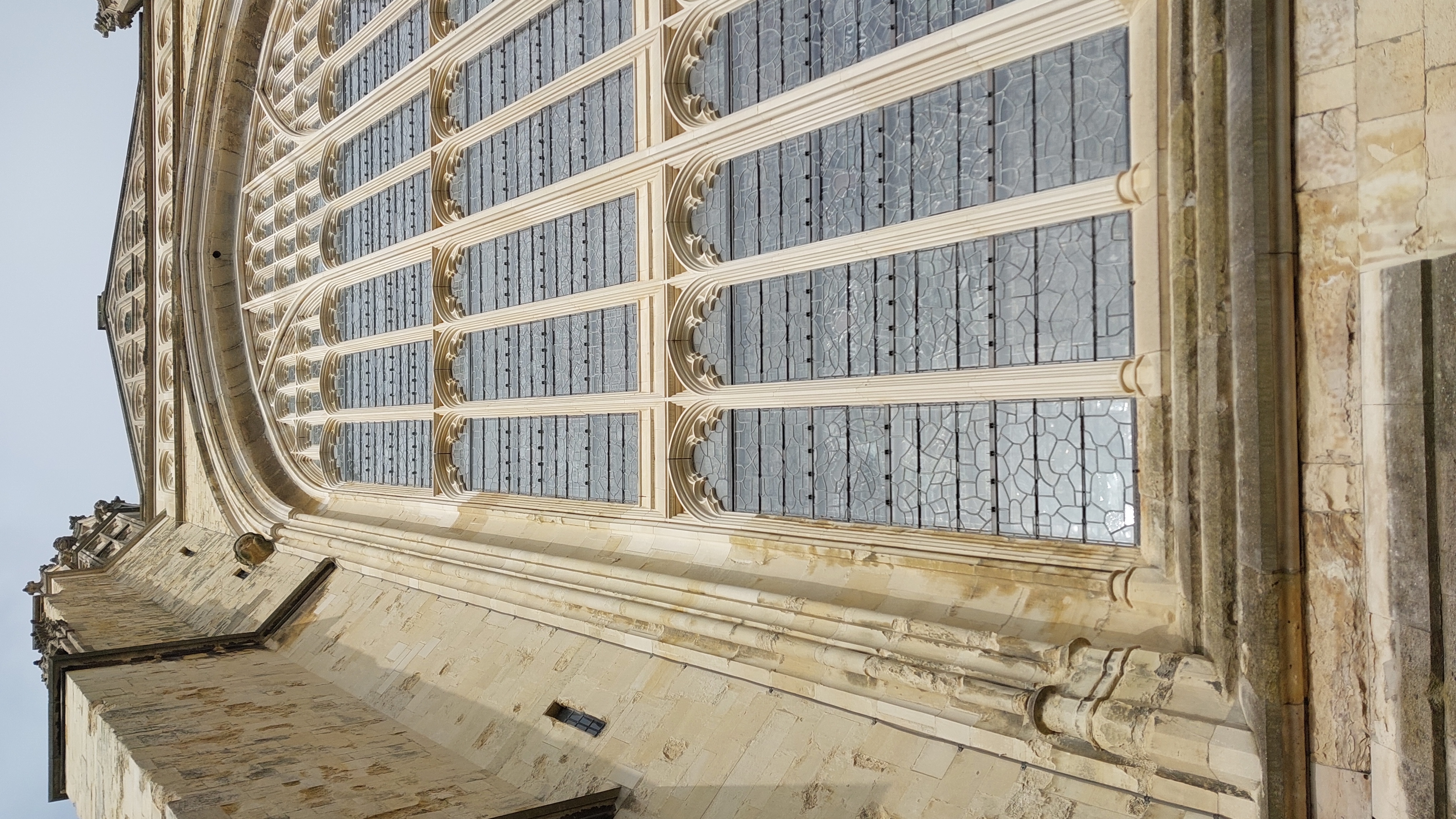
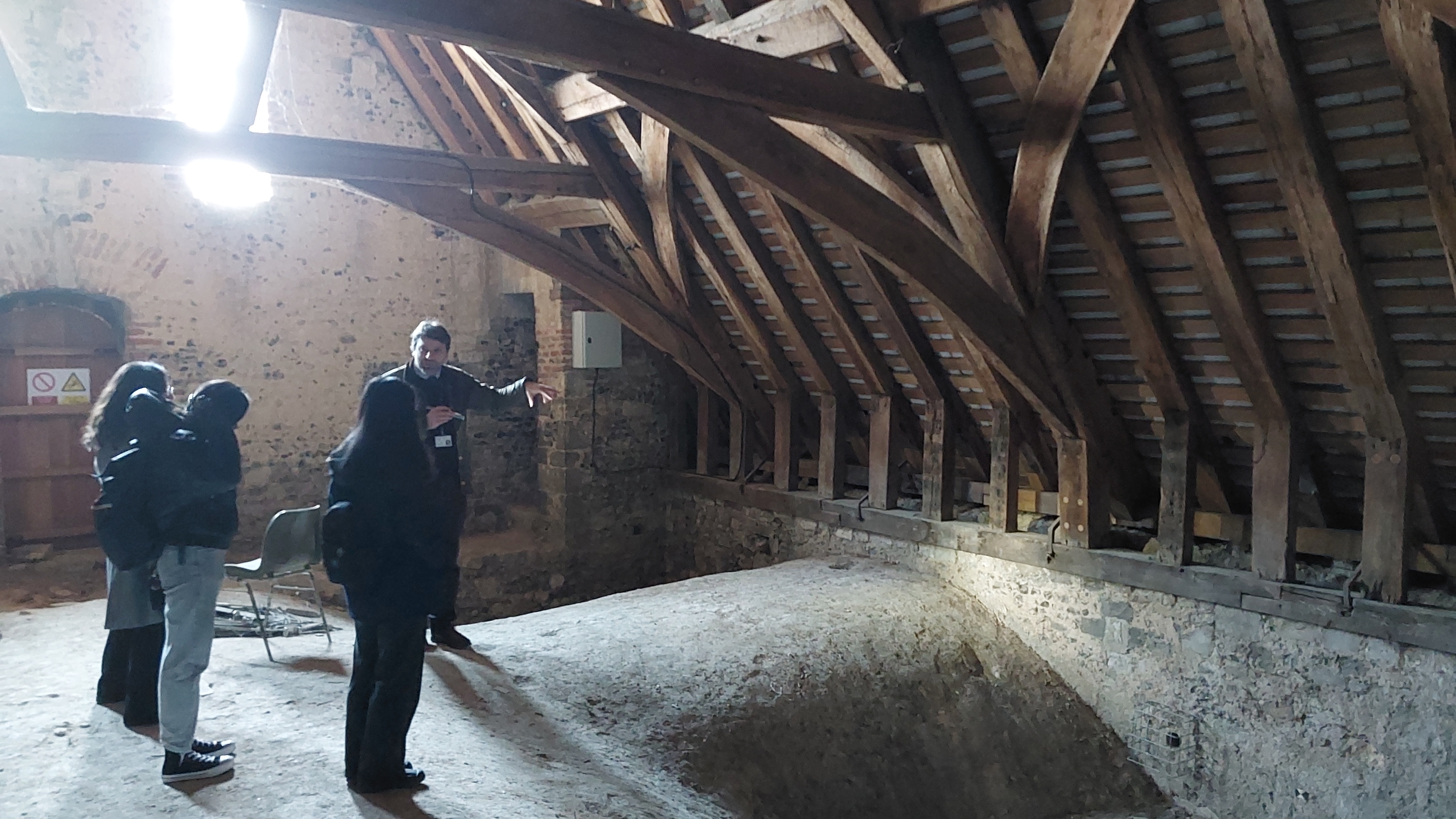
From there, we moved to the South Transept window, discussing its behaviour after a recent restoration. We then ascended to the normally inaccessible roofs, exploring the recent interventions at the connections between trusses and wall plates. Jonathan guided us through the complex challenges of ventilating a roof sheathed in lead and sarking, highlighting how subtle technical choices can have a profound impact on the long-term preservation of historic fabric.

Inspecting the behaviour of the recently restored South Transept Window.
Exploring the repairs to the oldest surviving roofs of the Cathedral

Our final stop was the Lady Chapel, where beautifully restored sculptures and luminous stained glass offered a striking example of how conservation can revive the cathedral’s artistic and spiritual heritage. For the students, the tour was an unforgettable opportunity to witness conservation in action, blending craft, strategy, and scholarship to safeguard a living historic monument.

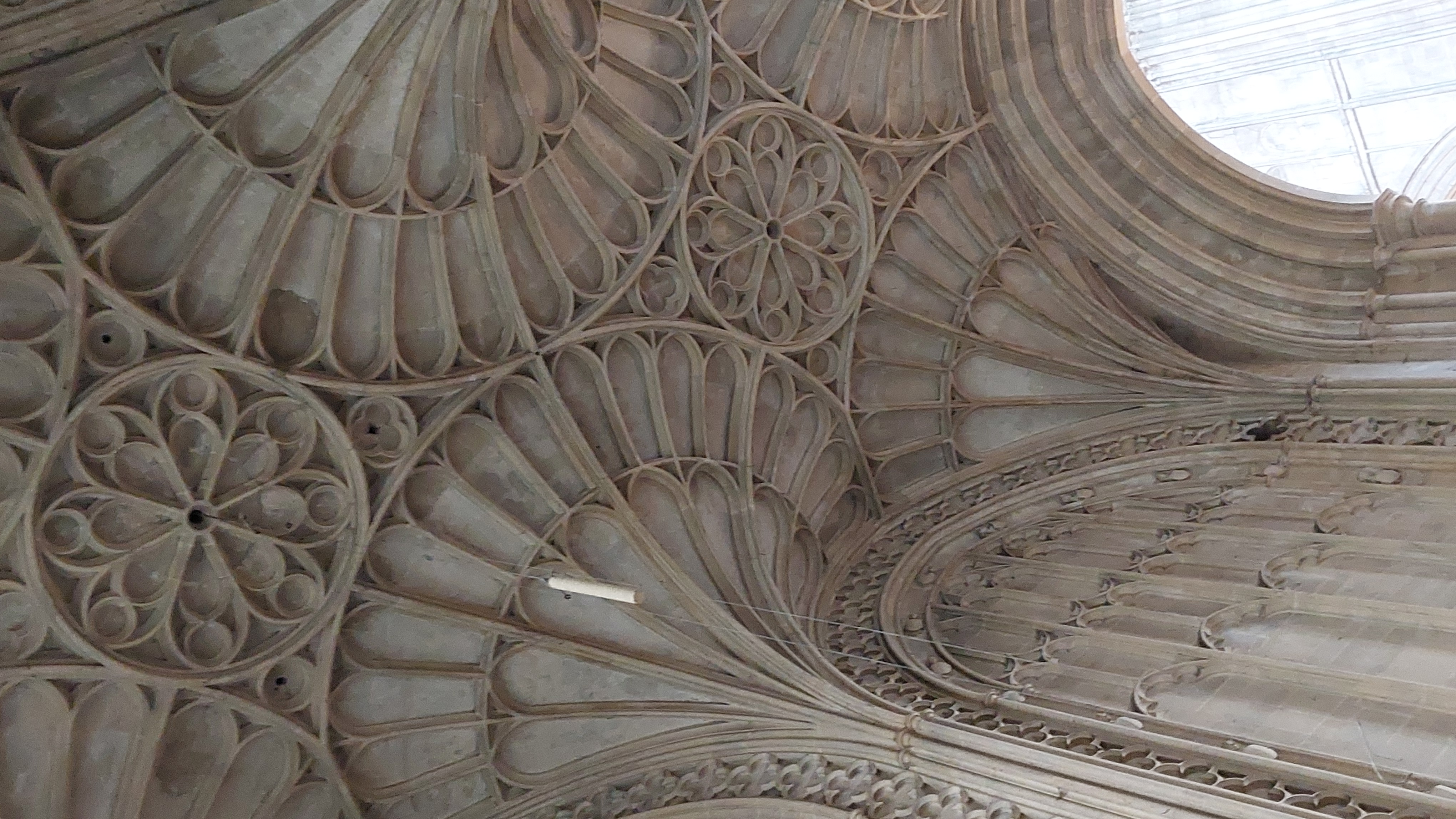
The beautiful fan vaulting of the Lady Chapel.

To apply: https://www.kent.ac.uk/courses/postgraduate/2025/362/architectural-conservation/