
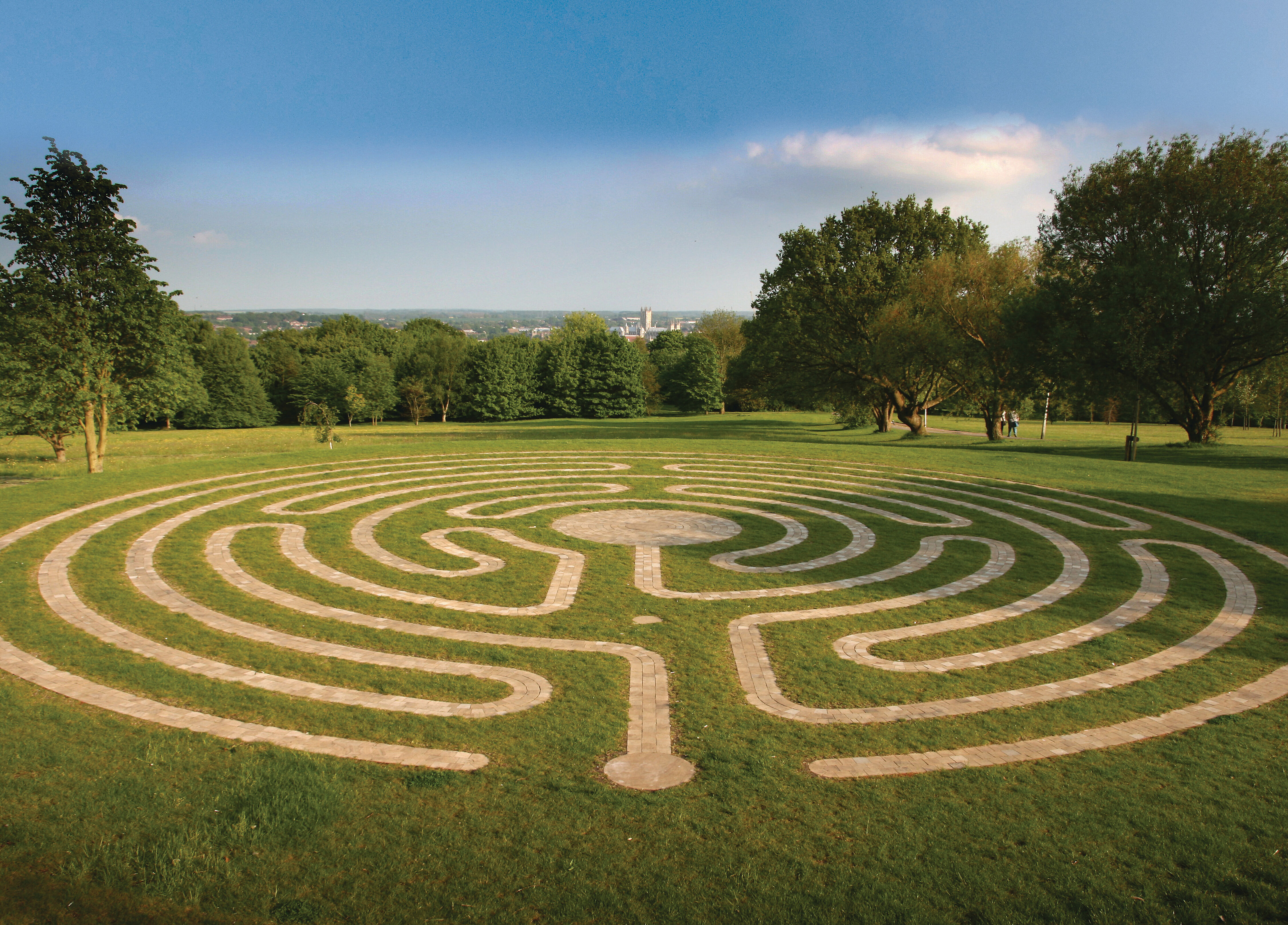

“I hope this simple practice can be just one more rung on the trellis upon which your rhythm of life can continue to grow.”
— Emily P. Freeman
Lately, in my journey as a PhD scholar, I’m realising more and more how much routine has been holding me steady—especially on the days when inspiration runs low and motivation takes a nap.
Routine might feel mundane or too “everyday,” but there’s a quiet power in the familiar rhythm of repeated, simple actions. They ground the day. And even though they’re easy to overlook, they’re often the very thing that keeps us afloat.
So today, I want to share how a steady, consistent routine can be one of your biggest allies in navigating the constant demands of life—especially as a postgrad.

In a previous post about the PhD Blues (#Ebbs&Flows), I spoke about how the PhD journey takes you through all kinds of terrain—smooth, gentle paths, steep mountain peaks, and deep valley dips. One thing that helps me through it all? A consistent schedule.
Now, not all postgrad degrees are the same. Some are taught, with a clear structure, deadlines, grades, and expectations. But if you’re in a research-based program like me, you know the path isn’t so clearly marked.
Suddenly, you “own” your time.
You set the goals. You create the plan. No reminders from Moodle. No weekly lectures. Just you, your research, and a mountain of self-discipline.
It’s here that you start learning the real difference between a deadline and a timeline.
Deadlines are about finishing by a certain date.
Timelines are about pacing yourself, making room to breathe, creating margin—not just to finish, but to finish well, with your sanity and health intact.
And this is where a regular routine becomes a lifeline. It anchors you to the tiny, daily priorities that quietly carry you toward your bigger goals.
For me, creating a flexible routine—kind of like a seasonal skeleton I can adapt—was a game-changer.
- Set a fixed bedtime and wake-up time
Sticking to consistent sleep habits helps so much. Not just with your studies, but your overall well-being.
“Maintaining a regular sleep schedule, including on weekends, is associated with better sleep quality, improved mood, and enhanced academic performance.” — American Academy of Sleep Medicine
Having a reliable sleep routine gives me a sense of rhythm. It reminds me of my limits, helps me recognise what I’ve accomplished each day, and gives each new day a proper beginning.
- Find a work-flow that works for you
Having total freedom over your schedule is powerful—but it can also be dangerous. If you’re not intentional, it’s easy to drift.
Late nights turn into late mornings. Tasks pile up. Motivation dips.
Merlin Mann once said, “Workflow is understanding your job/tasks, understanding your tools, and not thinking about it anymore.”
For me, this is what a day looks like (on campus):
- Arrive around 09h00.
- In the lab from 09h15 till lunch—no excuses. This helps me stay consistent, even on lazy days.
- Eat a decent lunch, hydrate well, and make sure I’m getting fruit in.
- Read something daily—whether a journal article, a textbook, or my own writing—for at least an hour.
- Back to the lab for a final two-hour block.
- Leave campus at a consistent time (since I’ve got a bit of a commute).
I usually do admin stuff and light planning while commuting. That’s also when I tackle emails and other non-urgent distractions.
What does your workflow look like?
Tell me on socials—I’d love to know what works for you. @jedidiah_pink
- Accountability
And finally, let’s talk about one of the most underrated parts of rhythm: people.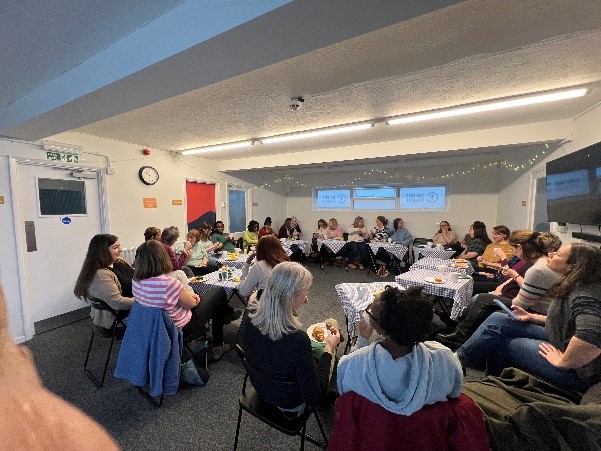
It’s easy to convince yourself you’re doing either way too much or way too little. That’s why having people who know your goals—and who can speak honestly into your process—is gold.
I don’t know about you, but I’ve mastered the art of being both my biggest cheerleader and my worst enemy. I can procrastinate with the best of them, while fully knowing I should be doing better.
This is where my accountability crew steps in—my husband and friends. They remind me of the bigger picture when I want to quit. They push me when I’m tempted to settle. And honestly, sometimes they’re the ones who catch me when impostor syndrome hits and I feel like I’m drowning.
They tell me the hard things too—like when I’m on the edge of burnout because I forgot to eat or haven’t rested in days. Keeping them updated is now part of my regular rhythm.
We’re not going to be 100% on point every single day. But the small, consistent habits—the atomic ones—are what shape the long arc of our lives.
So be wise with your one life.
Don’t squander your time or your energy.
This is your moment, your context, your body—and maybe, just maybe, you were made for such a time as this.
Be a faithful steward of your time.
You’ve got this.
Until next time.